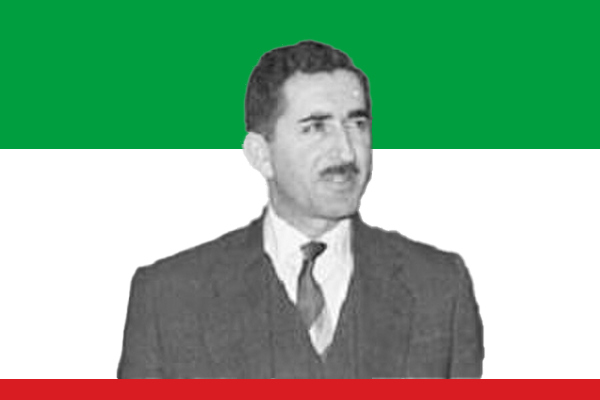
Rashid Karami was one of Lebanon’s most prominent and enduring political figures in the twentieth century. Born on December 30, 1921, in Tripoli, Lebanon, he came from a respected Sunni Muslim political family. His father, Abdul Hamid Karami, was also a former Prime Minister of Lebanon and a strong nationalist leader. Growing up in a politically active environment greatly influenced Rashid Karami’s future career and shaped his dedication to public service.
Karami studied law at Cairo University in Egypt and later returned to Lebanon to practice law. His education and legal background helped him gain recognition as an intelligent and capable leader. After the death of his father in 1950, Rashid Karami entered politics and quickly became a key representative of Tripoli and the Sunni Muslim community in Lebanon.
Rashid Karami first became Prime Minister of Lebanon in 1955 at the young age of 34, making him one of the youngest individuals to hold the office. Over the course of his career, he served as Prime Minister eight times between 1955 and 1987. This remarkable record made him one of the most frequently appointed prime ministers in Lebanese history. His repeated appointments reflected both his political experience and the trust placed in him during times of national crisis.
Karami played a central role during some of the most challenging periods in Lebanon’s history, especially during the Lebanese Civil War, which began in 1975. The civil war was a complex and violent conflict involving various religious, political, and foreign groups. As Prime Minister, Karami sought to maintain national unity and reduce tensions between Lebanon’s diverse communities, including Christians, Sunni Muslims, Shia Muslims, and Druze.
Throughout his political career, Karami was known for supporting Arab nationalism and maintaining close ties with Syria. He believed that Lebanon should cooperate closely with other Arab nations and often supported Syrian involvement in Lebanese affairs, especially during the civil war. While some praised him for trying to stabilize the country, others criticized his political positions and alliances.
Despite the difficulties of governing during a time of conflict, Karami remained committed to dialogue and compromise. He believed in preserving Lebanon’s delicate political balance, which is based on a power-sharing system among religious groups. His leadership style was generally seen as calm and pragmatic, and he often worked behind the scenes to negotiate solutions.
Tragically, Rashid Karami’s life ended in violence. On June 1, 1987, he was assassinated when a bomb exploded in a military helicopter carrying him from Tripoli to Beirut. His assassination shocked the nation and further increased political tensions. The attack was widely condemned, and years later, investigations led to accusations and trials related to the incident.
Rashid Karami’s death marked the loss of a major political figure during a very unstable period in Lebanon’s history. Many supporters remember him as a leader who tried to protect national unity and promote stability during one of the country’s darkest chapters. His long service as Prime Minister demonstrated his significant influence and deep involvement in Lebanese politics.
Today, Rashid Karami remains an important historical figure in Lebanon. His legacy is closely connected to the country’s complex political system and the challenges of leadership during times of civil conflict. Whether viewed as a stabilizing force or a controversial political actor, there is no doubt that Rashid Karami played a vital role in shaping modern Lebanese history.