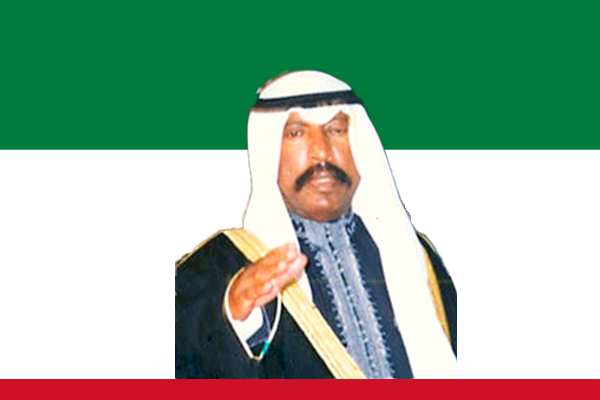
Early Life and Background
Abdullah Al-Salim Al-Sabah was born in 1895 into the ruling Al-Sabah family, which had governed Kuwait since the 18th century. From a young age, he was exposed to leadership, governance, and the responsibilities of ruling. He received education in religion, Arabic language, and political affairs, which prepared him for future leadership.
Before becoming Emir, he held several important administrative positions. These roles helped him understand the needs of the people and the functioning of the government. His experience and wisdom earned him respect among both the ruling family and the citizens.
Becoming the Emir of Kuwait
Abdullah Al-Salim Al-Sabah became the ruler (Emir) of Kuwait in 1950. His rule came at a time when Kuwait was undergoing major economic changes due to the discovery and export of oil. Oil revenues brought wealth and opportunities, but they also required careful management and planning.
He believed that the country should not only become rich but also develop strong political and social institutions. His vision was to create a stable and modern state that would benefit all citizens.
Leading Kuwait to Independence
One of his greatest achievements was leading Kuwait to independence from British protection. On 19 June 1961, Kuwait officially became an independent nation. This was a historic moment, and Abdullah Al-Salim Al-Sabah played the central role in negotiating and securing Kuwait’s sovereignty.
Independence allowed Kuwait to control its own foreign policy, economy, and internal affairs. It also strengthened national identity and pride among the people.
Establishment of the Constitution
Perhaps his most important contribution was the creation of Kuwait’s Constitution in 1962. He believed that good governance required laws, institutions, and public participation.
Under his leadership, a constituent assembly was formed to draft the constitution. The constitution established:
- A parliamentary system
- The National Assembly
- Rights and freedoms for citizens
- Rule of law
This made Kuwait one of the first Gulf countries to adopt a democratic constitution. Because of this achievement, he is remembered as the Father of Kuwait’s Constitution.
Contributions to Development
During his rule, Kuwait experienced rapid progress. He focused on improving education, healthcare, and infrastructure. Schools, hospitals, and roads were built to improve people’s quality of life.
He also ensured that oil wealth was used for national development. His policies helped Kuwait become one of the most developed countries in the region.
Leadership Qualities and Legacy
Abdullah Al-Salim Al-Sabah was known for his wisdom, humility, and dedication to his people. He believed in justice, equality, and consultation.
His leadership laid the foundation for modern Kuwait. He transformed Kuwait from a small traditional society into a modern constitutional state.
He passed away in 1965, but his legacy continues to live on. Kuwait still follows the constitution he helped create, and he remains one of the most respected leaders in the nation’s history.
Conclusion
King Abdullah Al-Salim Al-Sabah was a visionary leader who changed the course of Kuwait’s history. He led the country to independence, established its constitution, and promoted national development. His contributions helped shape modern Kuwait and ensured stability and progress for future generations. He will always be remembered as the architect of Kuwait’s democracy and independence.