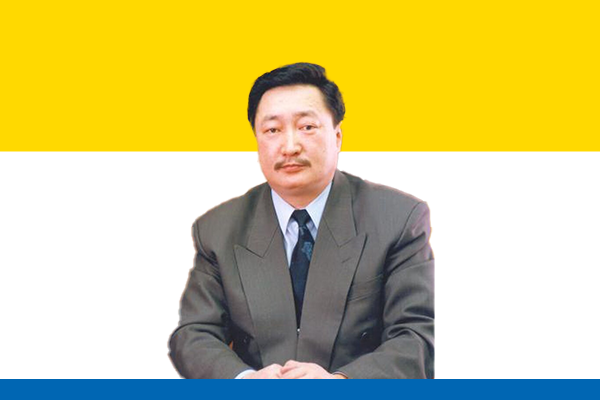
Mr. Janlavyn Narantsatsralt
In Office: 9 December 1998 – 22 July 1999
Political Party: DUC
Home State: Ulaanbaatar
Lifespan: 1957–2007
Country: Mongolia
Image credits available here.
Early Life and Education
Janlavyn Narantsatsralt was an important political leader of Mongolia who served as Prime Minister during a critical period of democratic transition. He was born on June 30, 1957, in Ulaanbaatar, the capital city of Mongolia. Growing up during the socialist era, Narantsatsralt experienced a system controlled by a single party. However, he later became part of the generation that helped transform Mongolia into a democratic nation.
He received his education in engineering and urban planning. Narantsatsralt studied in Mongolia and later continued his studies in the Soviet Union, which was common for Mongolian students at that time. His educational background helped him understand infrastructure, development, and modernization, which later became important in his political career.
Early Political Career
Narantsatsralt began his career as an urban planner and worked on development projects in Ulaanbaatar. His skills and leadership abilities earned him recognition, and he became involved in politics during the democratic reforms of the early 1990s. Mongolia had just ended decades of communist rule and was transitioning to democracy and a market economy.
He joined the Democratic Party of Mongolia, which played a major role in promoting democratic reforms. His dedication and administrative skills helped him rise quickly in politics.
In 1996, Narantsatsralt became the Mayor of Ulaanbaatar. As mayor, he worked to improve the city’s infrastructure, housing, and public services. His performance strengthened his reputation as a capable leader.
Becoming Prime Minister
On December 9, 1998, Janlavyn Narantsatsralt was appointed Prime Minister of Mongolia. He became Prime Minister during a time of political instability and economic challenges. Mongolia was still adjusting to its new democratic system, and the country faced unemployment, inflation, and economic difficulties.
As Prime Minister, Narantsatsralt focused on economic reform, privatization, and attracting foreign investment. He wanted to strengthen Mongolia’s economy and reduce poverty. He also worked to improve government efficiency and transparency.
His leadership aimed to continue the democratic reforms that had begun earlier in the decade.
Challenges and Resignation
Narantsatsralt’s time as Prime Minister was short and difficult. Mongolia’s political environment was unstable, and his government faced opposition and internal disagreements. Economic problems also made it difficult to achieve quick results.
Due to political conflicts and lack of strong parliamentary support, Narantsatsralt resigned on July 22, 1999, after serving for about seven months. His resignation showed the challenges of governing during Mongolia’s transition period.
Even though his term was brief, he played an important role in maintaining democratic governance.
Later Career and Contributions
After resigning as Prime Minister, Narantsatsralt continued to serve Mongolia in other important positions. He remained active in politics and worked in government roles related to infrastructure and development.
He also served as an advisor and contributed to national planning and policy. His experience as an engineer and leader helped Mongolia continue its modernization efforts.
Narantsatsralt was respected for his professionalism and commitment to public service.
Death and Legacy
Janlavyn Narantsatsralt passed away on December 12, 2007, at the age of 50. His death was considered a great loss for Mongolia.
He is remembered as a leader who served during a difficult but important period in Mongolia’s history. His work contributed to strengthening democracy and supporting economic reform.
Conclusion
Janlavyn Narantsatsralt was a significant political figure in Mongolia’s democratic era. From his early career as an engineer to becoming Prime Minister, he showed dedication to his country’s development. Although his time as Prime Minister was short, his contributions helped Mongolia continue its transition toward democracy and economic growth.