Mr. Robert Kocharyan
In Office: 20 March 1997 – 10 April 1998
Political Party: Independent
Home State: Stepanakert
Lifespan: born 1954
Country: Armenia
Image credits available here.
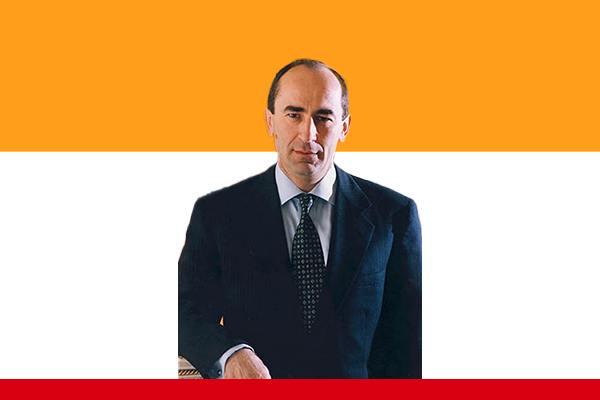
Early Life and Education
Robert Kocharyan was born on August 31, 1954, in Stepanakert, a city in the disputed region of Nagorno-Karabakh. He received his education from Yerevan State University, where he studied engineering. His early career was technical, but he soon became involved in political and national movements, especially during the late Soviet period when ethnic tensions and independence movements were rising.
His political involvement increased during the Nagorno-Karabakh conflict, where he became one of the leaders of the Armenian movement in the region. His leadership abilities during this period helped him gain national recognition.
Rise to Prime Minister
In March 1997, Kocharyan was appointed Prime Minister of Armenia by President Levon Ter‑Petrosyan. His appointment came at a time when Armenia was facing serious economic difficulties, political instability, and ongoing tensions related to Nagorno-Karabakh.
As Prime Minister, Kocharyan focused on strengthening state institutions and improving economic management. Although his term as Prime Minister lasted less than a year, it was a crucial step that positioned him for higher leadership. His firm stance on national security and his popularity among certain political groups increased his influence.
Presidency and Leadership
In 1998, Levon Ter-Petrosyan resigned, and Kocharyan ran for president. He won the election and became Armenia’s second President. He was later re-elected in 2003, serving until 2008.
During his presidency, Kocharyan emphasized economic growth and stability. Armenia experienced steady economic expansion, with improvements in infrastructure, investment, and public services. His government introduced reforms aimed at encouraging foreign investment and private business development.
Kocharyan also focused heavily on national security. He maintained a strong position on the Nagorno-Karabakh issue, supporting Armenian interests and security in the region. His leadership helped Armenia maintain stability during a challenging period in the South Caucasus.
Political Challenges and Controversies
Despite economic progress, Kocharyan’s leadership was not without criticism. His presidency faced opposition protests, especially after the 2003 election, which some opposition groups claimed was unfair. Political tensions remained a feature of Armenian politics during his rule.
One of the most serious events occurred in 2008, after the presidential election that brought Serzh Sargsyan to power. Protests broke out, and clashes between demonstrators and security forces resulted in casualties. Kocharyan declared a state of emergency, a decision that remains controversial.
Legacy and Historical Importance
Robert Kocharyan remains a significant and influential figure in Armenian politics. Supporters credit him with strengthening Armenia’s economy, maintaining national security, and providing stable leadership during difficult times. Critics, however, point to political repression and democratic concerns.
His leadership helped shape Armenia’s transition from a newly independent state into a more stable and structured nation. Kocharyan’s role in both military-political leadership in Nagorno-Karabakh and national governance ensured his lasting place in Armenian history.
Conclusion
Robert Kocharyan’s service as Prime Minister and President marked an important era in Armenia’s development. His leadership brought economic growth and political stability but also faced criticism and controversy. Regardless of differing opinions, his impact on Armenia’s political landscape remains undeniable. His career reflects the challenges and complexities faced by Armenia as it established itself as an independent nation in the modern world.