Early Life and Education
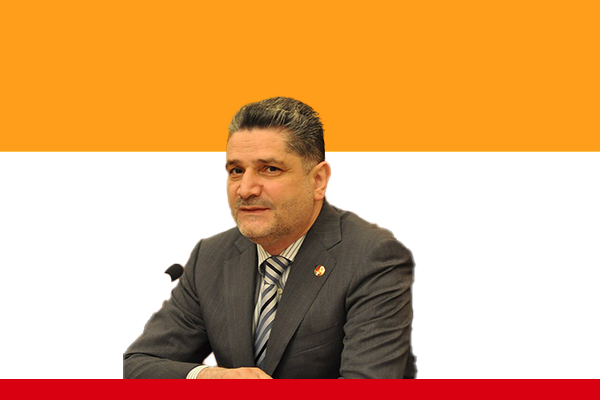
Tigran Sargsyan was born on January 29, 1960, in the city of Kirovakan (now Vanadzor), located in Armenia. He grew up during the Soviet era, a time when Armenia was part of the Soviet Union. Sargsyan showed strong academic ability from an early age, particularly in economics and finance, which later shaped his professional career.
He pursued higher education at the prestigious Leningrad Finance and Economics Institute in Russia, where he specialized in economics. His education provided him with deep knowledge of financial systems, economic planning, and public administration. This strong academic foundation prepared him for important roles in Armenia’s financial and political sectors after the country gained independence in 1991.
Early Career and Role in Armenia’s Central Bank
After Armenia became independent, Tigran Sargsyan played a key role in building the country’s financial institutions. In 1995, he was appointed Chairman of the Central Bank of Armenia. This was a critical period because Armenia was transitioning from a Soviet-style planned economy to a market-based system.
During his tenure, which lasted until 2008, Sargsyan introduced major banking reforms. He worked to stabilize Armenia’s currency, control inflation, and strengthen the banking sector. Under his leadership, the Central Bank gained credibility and helped create a stable financial environment. His work was widely recognized both inside Armenia and internationally.
He also focused on modernizing financial regulations and encouraging foreign investment. These reforms helped Armenia develop a more reliable and modern financial system.
Appointment as Prime Minister
On April 9, 2008, Tigran Sargsyan was appointed Prime Minister of Armenia by President Serzh Sargsyan. His appointment came at a challenging time, as Armenia was facing economic difficulties and political tensions.
As Prime Minister, Sargsyan aimed to strengthen the economy, improve government efficiency, and promote economic growth. He emphasized innovation, technology, and knowledge-based industries as key areas for Armenia’s future development.
Economic Policies and Reforms
One of the biggest challenges during his leadership was the global financial crisis of 2008–2009. Armenia’s economy was heavily affected, with declining exports and reduced investment. Sargsyan’s government implemented policies to stabilize the economy and reduce the impact of the crisis.
He introduced reforms to improve tax collection, reduce corruption, and support businesses. His government also invested in infrastructure, education, and technology sectors.
Sargsyan believed that Armenia’s future depended on developing a modern economy based on innovation and competitiveness. He supported the growth of the IT sector, which later became one of Armenia’s strongest industries.
Resignation and Later Career
Tigran Sargsyan served as Prime Minister until April 2014, when he resigned from office. His resignation came amid public criticism and economic challenges, although he had served Armenia for six years during a difficult global economic period.
After leaving office, he continued his international career. In 2016, he was appointed Chairman of the Eurasian Economic Commission, an important regional economic organization. In this role, he worked to promote economic cooperation among member countries.
Legacy and Contribution
Tigran Sargsyan is remembered as an economist-turned-politician who played a major role in shaping Armenia’s modern financial system. His leadership at the Central Bank helped stabilize Armenia’s economy during its early years of independence.
As Prime Minister, he guided the country through a global financial crisis and promoted economic modernization. Although his tenure faced challenges, his contributions to Armenia’s financial and economic development remain significant.