Mr. Mari Bin Amude Alkatiri
In Office: 20 May 2002 – 26 June 2006
15 September 2017 – 22 June 2018
Political Party: Fretilin
Home State: Dili
Lifespan: born 1949
Country: Timor-Leste
Image credits available here.
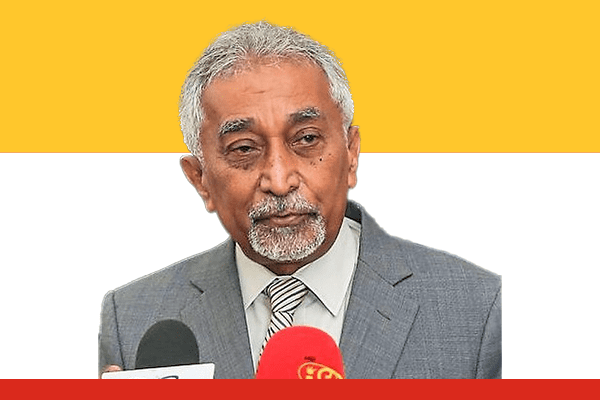
Mari Bin Amude Alkatiri
Mari Bin Amude Alkatiri is one of the most influential political leaders in the history of East Timor, also officially known as Timor-Leste. Born on 26 November 1949 in Dili, Alkatiri played a central role in the country’s long struggle for independence and later became its first Prime Minister after independence was restored in 2002. His leadership helped shape the political and economic foundations of the newly formed nation.
Alkatiri comes from a Yemeni Hadhrami Muslim family settled in Timor. During his early years, East Timor was a Portuguese colony. He pursued higher education in law in Portugal, where he became politically active. In 1974, following the Carnation Revolution in Portugal, political movements began emerging in East Timor. Alkatiri became a founding member of the Revolutionary Front for an Independent East Timor (FRETILIN), the party that would later dominate much of the country’s political landscape.
When East Timor declared independence in 1975, it was soon invaded by Indonesia. During the Indonesian occupation, Alkatiri lived in exile, representing the Timorese resistance internationally. He worked diplomatically to gain global support for East Timor’s independence, speaking at international forums and strengthening ties with countries sympathetic to the Timorese cause. His diplomatic skills were crucial in keeping the issue alive on the global stage during more than two decades of occupation.
After a United Nations–sponsored referendum in 1999, in which the people voted overwhelmingly for independence, East Timor entered a transitional period under UN administration. In 2002, when the country officially became independent, Mari Alkatiri was appointed as the first Prime Minister. He served from 2002 to 2006 during a critical period of nation-building.
As Prime Minister, Alkatiri focused on establishing state institutions, drafting policies, and managing the country’s natural resources, particularly oil and gas reserves in the Timor Sea. He was instrumental in negotiating agreements that ensured a significant share of petroleum revenues for East Timor. These funds were directed toward infrastructure development, education, healthcare, and poverty reduction programs. His government established a Petroleum Fund designed to manage oil revenues transparently and sustainably for future generations.
However, his tenure was not without challenges. In 2006, political and military tensions escalated into a national crisis marked by unrest and violence. Accusations and internal divisions within the security forces led to instability. Amid mounting pressure and public protests, Alkatiri resigned in June 2006 to help restore calm and prevent further conflict. His resignation was seen by supporters as a sacrifice for national stability, while critics viewed it as a response to governance failures.
Despite the setback, Alkatiri remained an influential political figure. He continued as a senior leader within FRETILIN and returned to government years later. In 2017, he once again became Prime Minister after his party won parliamentary support. His second term was shorter, lasting until 2018, but it demonstrated his enduring importance in Timorese politics.
Throughout his career, Mari Alkatiri has been known for his firm leadership style, strong nationalist views, and commitment to economic sovereignty. Supporters praise his role in securing oil revenues and building state institutions from scratch. Critics argue that his leadership style could be rigid and controversial during times of crisis. Nevertheless, his historical contribution to East Timor’s independence and early governance remains significant.
In summary, Mari Bin Amude Alkatiri is a central architect of modern East Timor. From resistance diplomat to founding Prime Minister, his political journey reflects the broader struggle of a small nation seeking self-determination and stability. His legacy continues to shape the political discourse and development path of Timor-Leste.