Mr. Estanislau da Silva
In Office: 19 May 2007 – 8 August 2007
Political Party: Fretilin
Home State: Dili
Lifespan: born 1952
Country: Timor-Leste
Image credits available here.
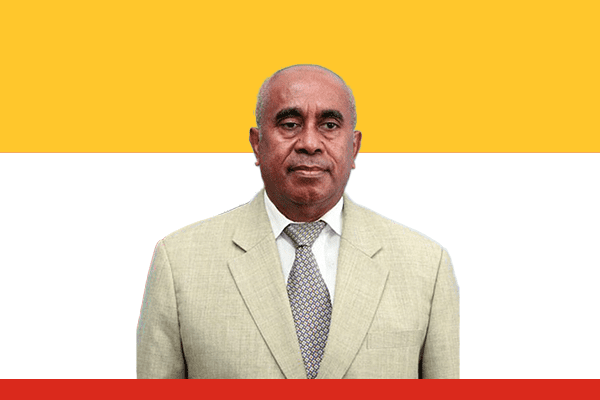
Estanislau da Silva
Estanislau da Silva is a prominent political leader from Timor-Leste who served as Prime Minister during a crucial period in the country’s early years of independence. Born on 22 March 1949 in Vemasse, Baucau District, da Silva grew up during the era of Portuguese colonial rule. His early life was shaped by the political instability that later followed Indonesia’s invasion of Timor-Leste in 1975. These experiences strongly influenced his political ideology and commitment to national development and self-determination.
Da Silva pursued higher education abroad, studying agriculture in Portugal. His academic background in agronomy played a significant role in shaping his policy interests, especially in rural development and food security. After returning to Timor-Leste, he became actively involved in the struggle for independence, aligning himself with the Revolutionary Front for an Independent East Timor (FRETILIN). FRETILIN was one of the principal political movements advocating for Timorese independence and social justice.
Following Timor-Leste’s restoration of independence in 2002, da Silva held several ministerial positions. He served as Minister of Agriculture, Forestry and Fisheries, where he focused on rebuilding the country’s agricultural infrastructure, which had been severely damaged during years of conflict. His work emphasized increasing local food production, improving irrigation systems, and supporting farmers with technical training. Agriculture being the backbone of Timor-Leste’s rural economy, his contributions were considered vital for economic stability and poverty reduction.
Estanislau da Silva became Prime Minister on 19 May 2007, succeeding Mari Alkatiri. His appointment came after a period of political tension and internal crisis within the country. The 2006 Timorese crisis had led to civil unrest, displacement of citizens, and a fragile security environment. As Prime Minister, da Silva’s leadership focused on stabilizing the nation, strengthening democratic institutions, and preparing for upcoming elections.
During his tenure, which lasted until 8 August 2007, da Silva headed a caretaker government. His primary responsibility was to ensure continuity of governance and maintain peace during the transitional phase. Although his term was relatively short, he played an important role in guiding the country through a sensitive political moment. He worked to restore public confidence in state institutions and cooperated closely with international partners, including the United Nations, which had a peacekeeping presence in Timor-Leste at the time.
After the parliamentary elections in 2007, da Silva was succeeded by Xanana Gusmão, a key figure in Timor-Leste’s independence movement. Despite leaving the office of Prime Minister, da Silva continued to contribute to national politics and remained an influential member of FRETILIN. His reputation as a calm and experienced administrator helped reinforce democratic processes in the young nation.
Estanislau da Silva’s political career reflects the broader challenges faced by Timor-Leste as one of Asia’s newest countries. Emerging from decades of occupation and conflict, the nation required leaders who could balance reconciliation, development, and institution-building. Da Silva’s background in agriculture and rural affairs made him particularly attentive to grassroots issues affecting ordinary citizens.
In summary, Estanislau da Silva is remembered as a steady and responsible leader who served Timor-Leste during a delicate transitional period. Though his time as Prime Minister was brief, his contributions to agriculture, governance, and national stability left a lasting impact. His career demonstrates dedication to public service and the strengthening of democratic foundations in Timor-Leste.