Kings of Laos

Laos, a landlocked country in Southeast Asia, has a rich and complex monarchical history that reflects its cultural, political, and religious heritage. The Kingdom of Laos, officially established in 1946, traces its roots to ancient Lao kingdoms such as Lan Xang, which existed from 1353 to 1707. The monarchy played a central role in unifying the Lao people, promoting Theravada Buddhism, and preserving traditions, even amid colonial pressures and regional conflicts. The kings of Laos were not only political leaders but also spiritual figureheads, embodying the cultural identity and sovereignty of the Lao nation.

LIST OF KINGS OF LAOS

="timeline-item"
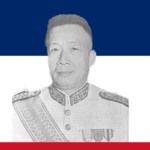
Sisavang Vong

Sisavang Vong (1885–1959) was the last king of the Kingdom of Laos and ruled from 1904 until his death in 1959. He became king during the period when Laos was part of French Indochina under France. Sisavang Vong supported the continuation of French influence in Laos and opposed early independence movements. After World War II historical event, Laos gradually moved toward independence, which was officially achieved in 1953. He remained a respected monarch and symbol of national unity until his death.

="timeline-item"
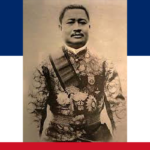
Phetsarath Ratanavongsa

Phetsarath Ratanavongsa (1890–1959) was a prominent Laotian nationalist and statesman, widely regarded as the father of modern Laos. He served as the first Prime Minister of the Kingdom of Laos and was instrumental in promoting Lao independence from French colonial rule. A key advocate of national unity, Phetsarath also worked to modernize the administration and education system. Despite political challenges and conflicts with royal authorities, his vision for an independent and sovereign Laos left a lasting legacy on the nation’s political and cultural identity.

="timeline-item"
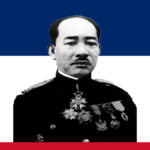
Sisavang Vatthana

Sisavang Vatthana was the last king of Laos, ruling from 1959 until the monarchy was abolished in 1975 following the communist Pathet Lao takeover. Born in 1907, he had previously served as Crown Prince and acted as Regent. His reign saw attempts to modernize the country while facing political instability and civil conflict. After the monarchy ended, Sisavang Vatthana was placed under house arrest and later died in captivity in 1978.

Notable Kings of Laos

King Fa Ngum (r. 1353–1385)

Fa Ngum founded the kingdom of Lan Xang, known as the “Land of a Million Elephants.” He established Buddhism as the state religion and expanded the kingdom through alliances and military campaigns, laying the foundation for centuries of Lao monarchy.

King Samsenethai (r. 1373–1416)

Fa Ngum’s son, Samsenethai, consolidated Lan Xang, creating administrative divisions and fostering trade with neighboring regions. His reign strengthened the kingdom’s internal structure and cultural identity.

King Setthathirath (r. 1548–1571)

Famous for defending Lan Xang against Burmese invasions, Setthathirath also moved the capital to Vientiane and initiated important religious and architectural projects, including temples that still stand today.

King Souligna Vongsa (r. 1637–1694)

Regarded as one of the greatest kings of Lan Xang, Souligna Vongsa presided over a period of prosperity and stability. His reign strengthened the monarchy and fostered cultural and religious development.

Kingkitsarat and King Ong Kham (r. late 17th century)

Following the decline of Lan Xang, these rulers presided over fragmented Lao kingdoms, marking a period of internal division yet continued efforts to maintain Lao sovereignty.

King Sisavang Vong (r. 1904–1959)

After the colonial era under France, Sisavang Vong became the king of the unified Kingdom of Laos in 1946. He guided the country through independence movements and modernization, maintaining the monarchy’s symbolic role.

King Savang Vatthana (r. 1959–1975)

The last reigning king of Laos, Savang Vatthana, oversaw a period of political upheaval that ended with the communist takeover in 1975. The monarchy was officially abolished, and the Lao People’s Democratic Republic was established.

The legacy of the Lao kings continues to influence the country’s culture, religion, and national identity, even in the absence of a formal monarchy. Temples, palaces, and cultural traditions still reflect the deep historical roots of these rulers and their impact on Lao society.
Back to top of page