Presidents of Uzbekistan
Uzbekistan is a Central Asian nation that gained independence after the dissolution of the Soviet Union in 1991. Since independence, the country has been governed under a presidential system in which the president serves as both the head of state and head of government. The president plays a central role in shaping national policies, directing foreign relations, and overseeing economic and political reforms. Over the years, Uzbekistan has had a small number of presidents,
List of Presidents of Uzbekistan
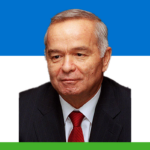
1. Islam Karimov (1991–2016)
Islam Karimov was the first president of independent Uzbekistan and served from 1991 until his death in 2016. Before independence, he was the First Secretary of the Communist Party of Uzbekistan during the Soviet period. After the country became independent, he was elected president and later re-elected multiple times. Karimov’s leadership was characterized by strong centralized authority and tight control over political opposition and media.
During his presidency, Uzbekistan maintained political stability but faced criticism from international organizations for human rights concerns and restrictions on political freedoms. Karimov focused on maintaining national sovereignty, developing the economy, and strengthening security against regional threats such as extremism. Despite criticism, he remained the dominant political figure in Uzbekistan for more than two decades.
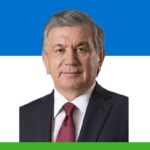
2. Shavkat Mirziyoyev (2016–Present)
After the death of Karimov in 2016, Shavkat Mirziyoyev became the acting president and later won the presidential election the same year. Mirziyoyev had previously served as the Prime Minister of Uzbekistan for many years under Karimov.
As president, Mirziyoyev introduced a series of reforms aimed at modernizing the country. His government focused on improving relations with neighboring Central Asian countries, attracting foreign investment, and liberalizing certain aspects of the economy. Under his leadership, Uzbekistan opened up more to international cooperation and implemented reforms in governance, education, and trade.
Mirziyoyev also initiated policies to improve public administration and reduce bureaucratic barriers for businesses. Although Uzbekistan still faces political challenges, his presidency is often associated with gradual reform and a more open approach compared to the previous era.
Conclusion
Since gaining independence in 1991, Uzbekistan has had only two presidents, but both leaders have had a profound impact on the country’s political and economic trajectory. Islam Karimov established the foundations of the modern Uzbek state and maintained stability during the early years of independence. Later, Shavkat Mirziyoyev introduced reforms aimed at modernization and greater international engagement. Together, their leadership reflects Uzbekistan’s evolving political landscape and its efforts to balance stability with development.