Early Life and Education
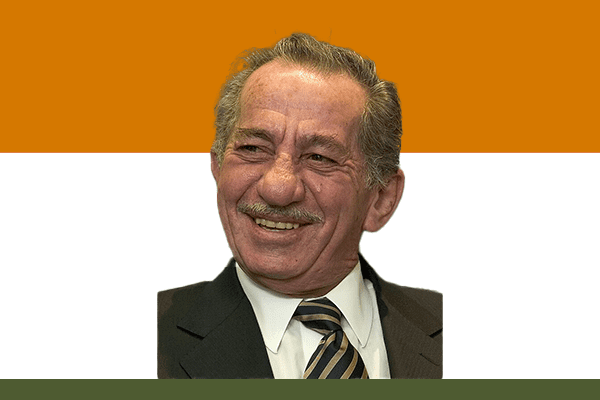
Tassos Papadopoulos was born on January 7, 1934, in Nicosia, Cyprus. He grew up during a time when Cyprus remained under British colonial rule. His early experiences shaped his political awareness and interest in the future of his homeland.
Papadopoulos pursued higher education in the United Kingdom. He studied law at King’s College London and later trained as a barrister at Gray’s Inn. After completing his legal education, he returned to Cyprus and began practicing law. His legal career quickly gained respect, but he soon shifted his focus toward public service and politics.
Entry into Politics
Papadopoulos entered politics at a young age and became actively involved in the movement for Cyprus’s independence from British rule. During the 1950s, he supported the efforts of Cypriot leaders who sought self-determination and the eventual establishment of an independent republic.
After Cyprus gained independence in 1960, Papadopoulos became one of the youngest members of the government. He served as Minister of Labor and Social Insurance and later held several other important ministerial roles, including Minister of Interior and Minister of Health. His work in these positions helped him gain experience in governance and public administration.
Papadopoulos also played a significant role in drafting the agreements that shaped Cyprus’s independence. His participation in negotiations and government institutions strengthened his reputation as a capable and influential political figure.
Political Leadership and Party Formation
In the 1970s and 1980s, Papadopoulos remained active in national politics. He served as a member of the House of Representatives and contributed to discussions about Cyprus’s political stability and security.
In 1996, he founded the Democratic Party (DIKO), a centrist political party that promoted national sovereignty, social justice, and balanced economic development. Under his leadership, the party gained considerable support among voters who favored a strong and independent political stance.
Papadopoulos used his leadership position to advocate for policies that emphasized national unity and cautious diplomacy in negotiations concerning the Cyprus problem.
Presidency of Cyprus
Papadopoulos won the presidential election in 2003 and assumed office as the fifth President of the Republic of Cyprus. His presidency coincided with a historic moment for the country, as Cyprus joined the European Union in 2004. This achievement marked a significant milestone for the island’s international standing and economic development.
One of the most defining events of his presidency involved the Annan Plan, a proposal supported by the United Nations to reunify the divided island of Cyprus. Papadopoulos carefully examined the plan and eventually urged Greek Cypriots to reject it in the 2004 referendum. He believed the proposal did not adequately address security concerns and the rights of Greek Cypriots.
During a televised address before the referendum, he delivered an emotional speech encouraging citizens to vote “No.” The majority of Greek Cypriot voters followed his recommendation, leading to the rejection of the plan. This decision had lasting consequences for negotiations regarding the island’s reunification.
Legacy and Later Life
Papadopoulos left office in 2008 after losing the presidential election. Despite this political setback, many supporters continued to respect him for his determination and his defense of what he considered Cyprus’s national interests.
His leadership style combined legal expertise, political experience, and strong rhetorical skills. Supporters praised him for protecting the sovereignty of Cyprus, while critics argued that his policies slowed progress toward reunification.
Tassos Papadopoulos passed away on December 12, 2008, after battling cancer. His legacy remains an important part of Cyprus’s modern political history. Many historians and political analysts still discuss his role in shaping the country’s policies during a critical period.