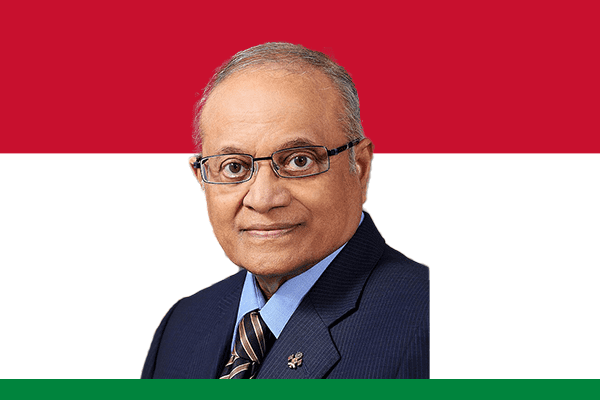
Early Life and Education
Maumoon Abdul Gayoom was born on December 29, 1937, in Malé, the capital of the Maldives. He came from a respected family and showed academic promise from an early age. He completed his early education in the Maldives before continuing his studies abroad. Gayoom studied at Al-Azhar University in Cairo, Egypt, where he focused on Islamic studies and Arabic language. His education helped shape his intellectual outlook and gave him a strong understanding of religion, governance, and international affairs. After completing his studies, he returned to the Maldives and began serving in public life.
Rise to Power
Before becoming president, Gayoom worked in several important government roles. He served as a teacher, diplomat, and civil servant, gaining valuable experience in administration and policy. His reputation as an educated and capable leader grew steadily. In 1978, he was elected as the third President of the Maldives. His presidency began at a time when the country needed stronger institutions and development planning. Gayoom quickly positioned himself as a modernizing leader who wanted to improve the nation’s economy and strengthen its global image.
Presidency and Achievements
During his long presidency, Maumoon Abdul Gayoom introduced many reforms that transformed the Maldives. He expanded access to education and opened more schools across the islands, helping literacy rates improve significantly. He also strengthened healthcare services by building hospitals and clinics in different atolls. Under his leadership, the tourism sector grew rapidly and became the backbone of the Maldivian economy. This growth created jobs, increased government revenue, and raised the country’s international profile.
Gayoom also focused on infrastructure development. His government improved transportation, communication systems, housing, and public services. He worked to connect remote islands more effectively with the capital. On the international stage, he represented the Maldives in global forums and often spoke about the challenges faced by small island nations, especially climate change and environmental vulnerability.
Criticism and Political Challenges
Although Gayoom achieved significant development, his rule was not free from criticism. Many opponents accused his government of suppressing dissent, limiting press freedom, and controlling political opposition. Several attempts were made to overthrow his government, including a notable coup attempt in 1988. Indian military assistance helped restore his administration and protect the government during that crisis. In the 2000s, demands for democratic reform became stronger. Protests and political activism increased, pushing the country toward multi-party democracy.
Legacy
In 2008, Maumoon Abdul Gayoom lost the first multi-party presidential election in the Maldives, ending his 30-year rule. Despite this political defeat, his legacy remains highly significant. Supporters remember him as the architect of modern Maldives, while critics view him as a symbol of centralized power and restricted democracy. Both views are important in understanding his place in history. Maumoon Abdul Gayoom played a central role in transforming the Maldives from a relatively isolated island nation into a more connected and internationally recognized country. His presidency remains one of the most defining eras in Maldivian political history.