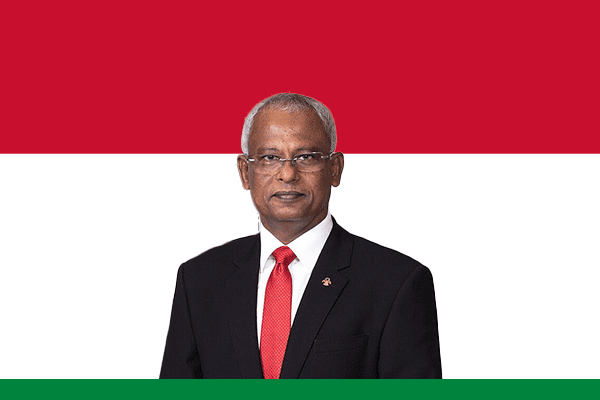
Early Life and Education
Ibrahim Mohamed Solih was born on 4 May 1964 on Hinnavaru Island in Lhaviyani Atoll, Maldives. He grew up in a politically aware environment where community leadership and public service were valued. During his early years, he developed an interest in politics and governance. Although limited higher-education opportunities existed in the Maldives at the time, Solih gained practical political experience through active participation in community affairs and national politics.
Political Career
Solih began his political career at a young age. In 1994, voters elected him to the People’s Majlis (Parliament) representing the Hinnavaru constituency. Over the years, he became known for his dedication, calm leadership style, and strong commitment to democratic principles.
Solih played an important role in the political reform movement in the Maldives during the early 2000s. He helped establish the Maldivian Democratic Party, which advocated democratic reforms and multiparty politics. As a senior party member, he worked closely with other reformist leaders to expand political participation and strengthen democratic institutions.
During his long parliamentary career, Solih served in several important committees and leadership roles. He gained respect among fellow politicians for his ability to build consensus and resolve political disagreements. His reputation as a moderate and cooperative leader made him a key figure in Maldivian politics.
Presidency (2018–2023)
In 2018, the opposition coalition selected Solih as its presidential candidate. He ran against the incumbent president Abdulla Yameen in a highly competitive election. Solih won the election with a clear majority, marking a significant political shift in the Maldives.
As president, Solih focused on restoring democratic governance and strengthening independent institutions. His administration emphasized transparency, judicial reforms, and the protection of civil liberties.
Solih also worked to improve foreign relations. He strengthened diplomatic ties with regional partners and international organizations. His government promoted closer cooperation with India through development projects, infrastructure investment, and security collaboration. At the same time, his administration maintained balanced relations with other global partners.
Economic development remained a key priority during Solih’s presidency. Tourism, the backbone of the Maldivian economy, received strong support through policy reforms and international promotion. His government also launched infrastructure projects, including housing programs, transportation networks, and environmental initiatives aimed at protecting the country from climate change.
Leadership Style and Legacy
Ibrahim Mohamed Solih is often described as a pragmatic and consensus-based leader. He preferred dialogue and cooperation rather than confrontation in politics. His leadership style helped reduce political tensions and encouraged institutional stability.
Solih’s presidency focused on strengthening democracy, improving governance, and promoting sustainable development. His administration also highlighted the global threat of climate change to low-lying island nations such as the Maldives.
Although political competition remained strong, many observers credit Solih with restoring political balance and rebuilding democratic confidence in the country.
Conclusion
Ibrahim Mohamed Solih played a crucial role in shaping modern Maldivian politics. From his early days in parliament to his presidency, he consistently promoted democratic values, political cooperation, and economic progress. His leadership between 2018 and 2023 marked an important period in the Maldives’ political development and international engagement.