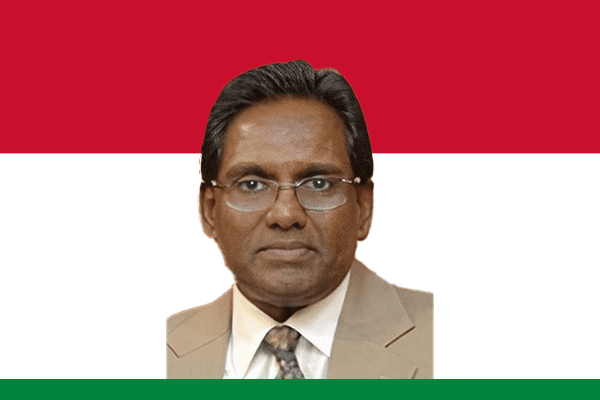
Early Life and Education
Mohamed Waheed Hassan was born on January 3, 1953, in the Maldives. From an early age, he showed strong interest in education and public affairs. He pursued his studies with dedication and later became one of the most academically accomplished leaders in the country. Waheed studied at prestigious institutions abroad, which helped broaden his vision and prepared him for leadership roles. His education included studies in international development, education policy, and leadership, giving him a strong intellectual foundation for public service. Before entering frontline politics, he built a respected career in education and international organizations. He worked with global institutions, including the United Nations, where he gained valuable experience in governance, development, and diplomacy. This international exposure strengthened his understanding of national progress and global cooperation. His educational achievements distinguished him from many political figures in the Maldives and made him a respected voice in both domestic and international circles.
Political Career and Vice Presidency
Mohamed Waheed Hassan became widely known in Maldivian politics during the democratic reforms that reshaped the country in the late 2000s. In 2008, the Maldives held its first multi-party presidential election under a new democratic constitution. Waheed joined the ticket of President Mohamed Nasheed as the vice-presidential candidate. Their victory marked a historic moment in Maldivian politics and ended decades of single-party dominance.
As Vice President from 2008 to 2012, Waheed actively supported the democratic government and contributed to national governance during a transformative period. He worked alongside President Nasheed in implementing reforms, strengthening democratic institutions, and promoting international engagement. His role included supporting cabinet initiatives, representing the government in official matters, and helping manage the country’s political transition. During this period, the Maldives received global attention for its democracy movement and environmental advocacy, especially regarding climate change. Waheed’s international background helped him contribute to the country’s image abroad.
Presidency and Leadership
In February 2012, a major political crisis changed the course of Waheed’s career. Following the resignation of President Mohamed Nasheed amid protests and unrest, Vice President Mohamed Waheed Hassan constitutionally assumed the office of President of the Maldives. This transition placed him at the center of a highly controversial moment in Maldivian history. Supporters described the transfer of power as constitutional, while critics called it politically disputed.
As President, Waheed focused on stabilizing the nation during a tense and divided period. He aimed to restore order, maintain governance, and prepare the country for future elections. His administration faced strong political pressure, public scrutiny, and ongoing debates over legitimacy. Despite these challenges, he continued to emphasize national unity, democratic process, and institutional continuity. His presidency lasted until 2013, when new elections brought another leadership change.
Legacy and Conclusion
Mohamed Waheed Hassan remains a significant figure in Maldivian political history. He played a central role during the country’s democratic transition, first as Vice President and later as President. His academic background, international service, and political experience gave him a unique place in national leadership. Although his presidency remains debated, his contribution to the Maldives’ evolving democratic system cannot be ignored. He is remembered as a leader who guided the country through one of its most sensitive political periods. His journey from educator and international official to Vice President and President reflects both personal achievement and the broader transformation of the Maldives in the modern era.