Early Political and Economic Career
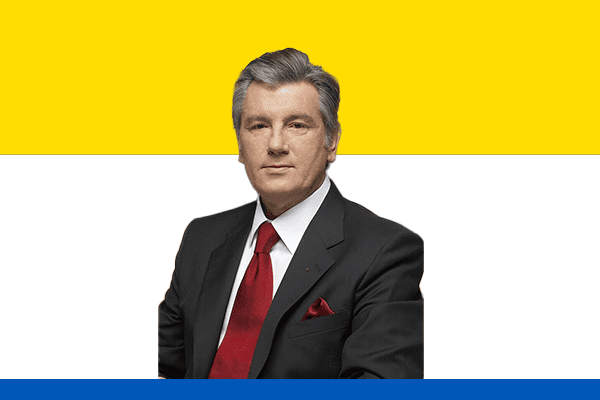
Viktor Yushchenko was born on February 23, 1954, in the Sumy region of Ukraine. He studied economics at the Ternopil Finance and Economics Institute and started his professional career in the banking sector. Yushchenko quickly gained recognition for his knowledge of finance and economic policy.
In 1993, Ukraine appointed him as the chairman of the National Bank of Ukraine. In this role, Yushchenko introduced important monetary reforms that helped stabilize the national currency. He supported the creation and strengthening of the Ukrainian hryvnia, which became the country’s official currency in 1996. His policies improved financial discipline and increased international confidence in Ukraine’s economic management. Because of these achievements, political leaders considered him a capable candidate for higher government responsibility.
Appointment as Prime Minister
In December 1999, President Leonid Kuchma appointed Viktor Yushchenko as Prime Minister of Ukraine. The country faced major economic difficulties at the time. Industrial production had declined, state finances remained unstable, and corruption affected many sectors of government. Yushchenko formed a reform-oriented government and promised to modernize the economy.
As prime minister, Yushchenko focused on reducing state debt, improving tax collection, and encouraging economic growth. He introduced policies that supported private enterprise and reduced inefficient government subsidies. His administration worked closely with international financial institutions such as the International Monetary Fund and the World Bank. These partnerships helped Ukraine secure financial assistance and technical support for economic reforms.
Economic Reforms and Achievements
Yushchenko’s government implemented several reforms that improved Ukraine’s economic performance. His administration strengthened fiscal discipline and reduced budget deficits. It also introduced measures to combat corruption and improve transparency in state institutions.
One of the most important achievements of his government was the stabilization of the Ukrainian economy. After several years of decline, Ukraine experienced economic growth in 2000. Industrial production increased, and government revenues improved. Yushchenko’s policies also helped ensure that pensions and public sector salaries were paid more regularly.
His government promoted agricultural reforms as well. These policies encouraged private land ownership and improved productivity in the agricultural sector. As a result, Ukraine began to recover from the severe economic difficulties that had characterized the early post-Soviet period.
Political Challenges and Resignation
Despite these achievements, Viktor Yushchenko faced strong opposition from powerful political groups and members of parliament. Some political leaders disagreed with his reform policies and criticized his attempts to reduce the influence of oligarchs and powerful business interests.
In April 2001, the Ukrainian parliament passed a vote of no confidence against his government. This decision forced Yushchenko to resign from the position of prime minister in May 2001. Although his time in office ended earlier than expected, many Ukrainians continued to support his reform agenda and political vision.
Legacy and Historical Significance
Viktor Yushchenko’s tenure as Prime Minister of Ukraine left a lasting impact on the country’s political and economic development. His reforms helped stabilize Ukraine’s economy and strengthened its financial institutions. Many observers credit his government with initiating the first period of sustained economic growth in independent Ukraine.
His leadership also increased public awareness of democratic reforms and transparency in government. These ideas later played a major role in Ukrainian politics, especially during the Orange Revolution in 2004. Yushchenko’s time as prime minister therefore marked an important stage in his political career and in Ukraine’s broader transition toward democracy and a market-based economy.