Mr. H. H. Asquith
In Office: 5 April 1908 – 5 December 1916
Political Party: Liberal
Home State: Morley
Lifespan: 1852–1928
Country: United Kingdom
Image credits available here.
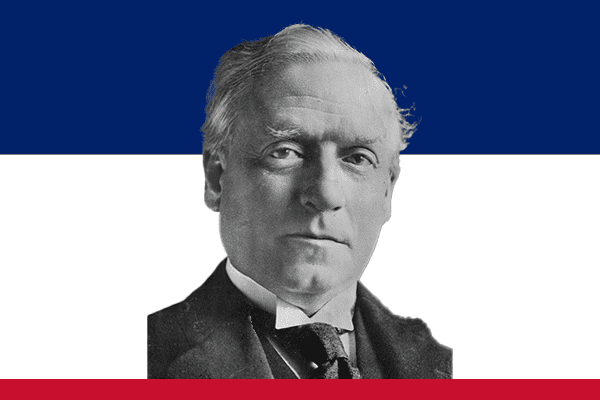
Early Life and Education
Herbert Henry Asquith was born on September 12, 1852, in Morley, Yorkshire, England. He grew up in a middle-class family and showed strong academic ability from an early age. After his father’s death, his family faced financial challenges, but Asquith continued his education with determination. He attended the City of London School and later studied at Balliol College, Oxford.
At Oxford, Asquith excelled in academics and debate. He developed strong skills in public speaking and argument, which later helped him in his political career. After completing his studies, he chose a career in law and quickly built a reputation as a successful barrister.
Entry into Politics
Asquith entered politics in 1886 when voters elected him as the Liberal Member of Parliament for East Fife. In Parliament, he gained respect for his clear thinking and strong debating abilities. Leaders of the Liberal Party soon recognized his talent and leadership potential.
In 1892, he became Home Secretary in the Liberal government led by William Ewart Gladstone. As Home Secretary, Asquith dealt with issues related to law, order, and public administration. He demonstrated strong administrative ability and became one of the most prominent Liberal politicians of his time.
Becoming Prime Minister
In 1908, Asquith became Prime Minister after Henry Campbell-Bannerman resigned due to illness. As Prime Minister, Asquith led a reform-minded Liberal government that introduced several important social and political changes.
One of his government’s most significant achievements was the introduction of social welfare reforms. These reforms included pensions for the elderly and measures designed to improve living conditions for workers. His government also supported policies that aimed to reduce poverty and provide greater economic security for citizens.
Constitutional Reforms
Asquith faced a major constitutional conflict between the House of Commons and the House of Lords. The House of Lords had the power to block legislation, which created repeated political deadlocks.
To solve this problem, Asquith’s government introduced the Parliament Act of 1911. This law reduced the power of the House of Lords and strengthened the authority of the elected House of Commons. The reform significantly changed the British political system and increased democratic control over legislation.
Leadership During World War I
In 1914, the outbreak of World War I created new challenges for Asquith’s government. He led Britain during the early years of the war and organized the country’s political and military response.
However, the difficulties of wartime leadership created political pressure. Critics believed that the government needed stronger and faster decision-making. In 1916, political tensions forced Asquith to resign as Prime Minister, and David Lloyd George replaced him.
Legacy
H. H. Asquith left a lasting impact on British politics. He strengthened democratic institutions, introduced social reforms, and led the country through one of the most challenging periods in modern history. His government helped build the foundations of the modern welfare state in Britain.
Historians remember Asquith as a thoughtful and intelligent leader who valued debate, law, and constitutional reform. Although his leadership during wartime faced criticism, his contributions to British democracy remain significant. His reforms and political leadership shaped the direction of the United Kingdom for many decades.