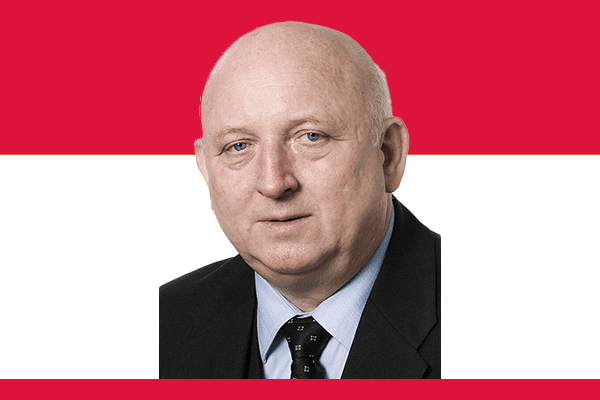
Early Life and Political Background
Józef Oleksy was born on 22 June 1946 in Nowy Sącz, southern Poland. He studied at the University of Transport and Communications in Warsaw and later became active in public administration and politics. During the communist era, he joined the ruling political structure and worked within the state system. After the fall of communism in 1989, Oleksy adapted to the new democratic environment and became a leading member of the post-communist left.
He helped build the Democratic Left Alliance, a political group that became one of the strongest forces in Poland during the 1990s. His political experience, organizational ability, and strong party connections made him a respected leader. He also served in parliament and held several important positions before becoming prime minister.
Rise to the Office of Prime Minister
Before becoming prime minister, Józef Oleksy served as Marshal of the Sejm, the lower house of the Polish parliament. This position gave him national visibility and proved his ability to manage political debate and parliamentary procedure. In 1995, he became Prime Minister of Poland, succeeding Waldemar Pawlak.
His appointment reflected the strength of the left-wing coalition at the time. Oleksy took office when Poland was undergoing major economic and political reforms. The government focused on stabilizing the economy, modernizing public institutions, and strengthening relations with Western Europe. His leadership style was practical and moderate, which helped him work with different political groups.
Leadership and Policies
As prime minister, Oleksy supported continued economic reform while also paying attention to social concerns. Poland was moving from a centrally planned economy to a market-based system, and many citizens faced challenges during this transition. Oleksy’s government aimed to balance economic growth with social protection.
He also supported Poland’s closer ties with European institutions and Western partners. During his leadership, the country continued its path toward European integration and international cooperation. His government worked to improve state administration and maintain political stability during a changing period in Polish history.
Oleksy believed in dialogue and compromise. Rather than using aggressive politics, he often preferred negotiation and consensus-building. This approach helped him maintain influence even during difficult political moments.
Controversy and Resignation
Józef Oleksy’s term as prime minister ended in early 1996 after allegations emerged that he had contacts with Russian intelligence agents. The accusations created a major political scandal in Poland and damaged public trust in his government. As pressure increased, Oleksy resigned from office.
Although the controversy overshadowed his premiership, later legal proceedings did not fully confirm the most serious claims against him. Even so, the scandal had a lasting effect on his public image and political reputation. It also showed how sensitive national security issues had become in post-Cold War Poland.
Later Career and Legacy
After leaving the office of prime minister, Oleksy remained active in politics. He continued to serve in parliament and later became a prominent figure in the Democratic Left Alliance. His experience and influence kept him relevant in national debates.
Józef Oleksy died on 9 January 2015, but his role in Poland’s democratic transition remains important. Historians remember him as a skilled politician who guided the country during a complex period. Despite controversy, he contributed to the development of democratic governance in Poland. His career reflects both the opportunities and the challenges faced by leaders in post-communist Eastern Europe.