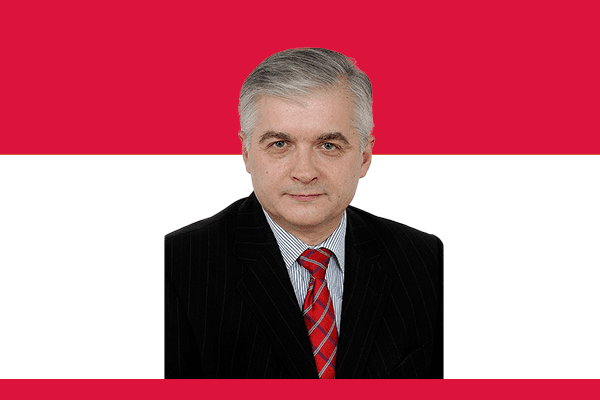
Early Life and Education
Włodzimierz Cimoszewicz was born on 13 September 1950 in Warsaw, Poland. His father, Adam Cimoszewicz, was a military officer and historian. Growing up in an intellectual environment influenced his interest in politics, law, and public service.
Cimoszewicz studied law at the University of Warsaw. During his academic years, he developed a strong understanding of constitutional law and political systems. After graduating, he worked as a legal scholar and lecturer. His academic background helped him build analytical skills that later shaped his political career.
Entry into Politics
Cimoszewicz entered politics during the transformation period that followed the collapse of communist rule in Poland. He joined the Democratic Left Alliance (SLD), a political group that emerged from the former communist party but aimed to function within the new democratic framework.
In the early 1990s, he served as a member of the Polish parliament (Sejm). He gained recognition for his calm leadership style and ability to negotiate complex political issues. His political influence gradually increased as he participated in debates on economic reforms, social policies, and Poland’s democratic transition.
Prime Minister of Poland (1996–1997)
In 1996, Włodzimierz Cimoszewicz became Prime Minister of Poland. He led a coalition government supported by the Democratic Left Alliance and the Polish People’s Party.
During his premiership, the government implemented several important reforms. His administration strengthened economic growth, improved social welfare programs, and continued Poland’s transformation toward a market economy.
One of the major challenges during his leadership occurred in 1997 when severe floods affected large parts of southern Poland. Cimoszewicz coordinated government response efforts, organized disaster relief, and worked to support affected communities. His administration mobilized resources and emergency services to manage the crisis.
His government also continued negotiations for Poland’s integration with Western political and economic institutions. These efforts later contributed to Poland joining organizations such as the European Union and NATO.
Later Political Career
After leaving the office of prime minister in 1997, Cimoszewicz remained active in Polish politics. He served in several important roles within the government.
From 2001 to 2005, he worked as Poland’s Minister of Foreign Affairs. During this period, he played a significant role in strengthening Poland’s international relations and promoting the country’s membership in European and transatlantic organizations.
Cimoszewicz also served as the Marshal (Speaker) of the Polish Parliament for a short period in 2005. Later, he represented Poland as a member of the European Parliament. Through these positions, he continued contributing to policymaking at both national and international levels.
Political Views and Leadership Style
Cimoszewicz developed a reputation as a pragmatic and balanced political leader. He emphasized economic modernization, social protection, and international cooperation. His leadership style focused on dialogue, negotiation, and careful policy planning.
Observers often describe him as a moderate figure within Polish politics who valued democratic institutions and the rule of law. His experience as a legal scholar also influenced his emphasis on constitutional governance.
Legacy
Włodzimierz Cimoszewicz played a meaningful role in Poland’s political transformation during the 1990s and early 2000s. His work helped strengthen democratic governance and stabilize the country’s economic system during a period of major change.
Historians and political analysts recognize his contributions to Poland’s transition from a communist system to a democratic state integrated with Europe. His leadership during crises, commitment to reform, and diplomatic efforts remain important aspects of his legacy.