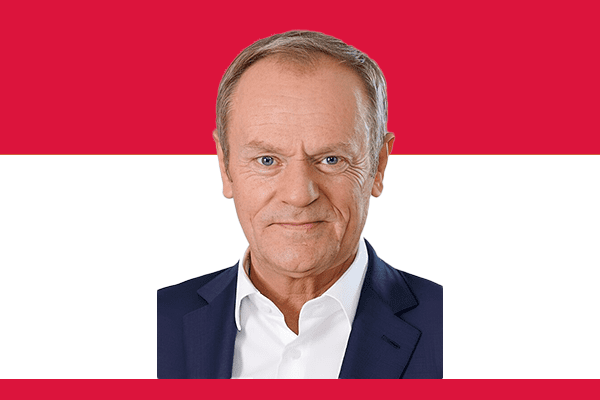
Early Life and Education
Donald Franciszek Tusk was born on April 22, 1957, in Gdańsk. He grew up in a working-class family with Kashubian roots, which shaped his cultural identity and political awareness. Tusk studied history at the University of Gdańsk, where he developed a strong interest in politics and social movements.
During his university years, he became actively involved in the democratic opposition against the communist government in Poland. He supported the Solidarity movement, which advocated workers’ rights and democratic reforms. This early involvement in activism influenced his future political career and strengthened his commitment to democracy.
Political Career in Poland
Donald Tusk began his political career after the fall of communism in Poland in 1989. He helped establish several liberal political groups and later co-founded the political party Civic Platform in 2001. The party quickly gained popularity due to its pro-market economic policies and strong support for European integration.
In 2007, Tusk led Civic Platform to victory in the parliamentary elections. As a result, he became the Prime Minister of Poland. He focused on economic modernization, political reforms, and stronger cooperation with European institutions. His government improved infrastructure, promoted economic growth, and increased Poland’s influence in international affairs.
Tusk served as Prime Minister from 2007 to 2014, becoming one of the longest-serving leaders in modern Polish history. During his leadership, Poland maintained steady economic growth even during the global financial crisis. His administration encouraged investment, supported innovation, and expanded trade partnerships across Europe.
Leadership in the European Union
In 2014, European leaders elected Donald Tusk as President of the European Council. In this role, he chaired meetings of European Union leaders and coordinated major policy decisions. His leadership focused on strengthening unity among EU member states and addressing challenges such as migration, economic stability, and international security.
Tusk played a significant role during important European events, including negotiations related to the Brexit process. He encouraged dialogue and cooperation among European leaders while defending the interests and unity of the European Union.
Return to Polish Politics
After completing his term in the European Council in 2019, Donald Tusk returned to Polish politics. He resumed leadership of Civic Platform and became a central figure in the opposition movement. His goal was to strengthen democratic institutions and restore Poland’s close relationship with the European Union.
In 2023, Tusk led an opposition coalition that won the parliamentary elections in Poland. He became Prime Minister once again and formed a government that emphasized democratic reforms, judicial independence, and renewed cooperation with European institutions.
Legacy and Influence
Donald Tusk remains a prominent figure in European politics. His leadership style emphasizes dialogue, democratic governance, and international collaboration. Many political analysts credit him with strengthening Poland’s democratic institutions and promoting a stable economy.
Through his work in both Poland and the European Union, Tusk has contributed significantly to European integration and regional cooperation. His political career demonstrates how strong leadership and commitment to democratic values can influence national and international policies.