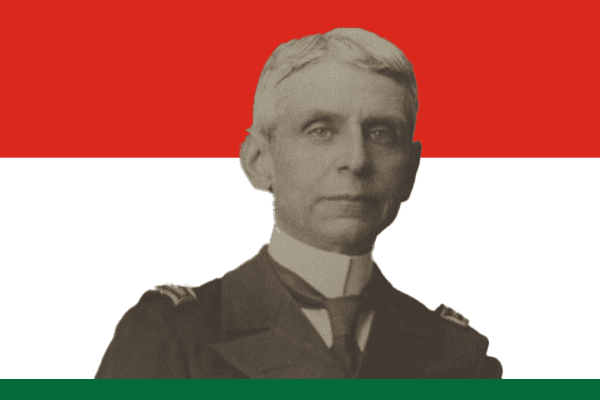
Early Life and Education
João do Canto e Castro was born on May 19, 1862, in Lisbon, Portugal. He grew up in a disciplined environment that encouraged service and responsibility. From an early age, he chose a military path and joined the Portuguese Navy. He trained rigorously and developed strong leadership skills through practical experience.
Instead of remaining in a limited role, he advanced steadily through the ranks. His dedication and competence earned him respect among his peers and superiors. Over time, he built a reputation as a capable and reliable naval officer.
Military Career
Canto e Castro played an active role in Portugal’s naval operations and colonial administration. He served in various overseas territories, where he gained valuable administrative and strategic experience. His assignments strengthened his understanding of governance and international affairs.
He did not simply follow orders; he took initiative and demonstrated leadership in challenging situations. His work in the navy prepared him for higher responsibilities and positioned him as a trusted figure within the military establishment.
Rise to Political Power
Portugal experienced significant political turmoil in the early 20th century following the establishment of the republic in 1910. During this period, military leaders often assumed political roles to stabilize the country. João do Canto e Castro emerged as one such figure.
In 1918, he assumed the presidency after the assassination of Sidónio Pais. Rather than acting as a passive caretaker, he took active steps to ensure continuity in governance. He worked to calm political tensions and maintain institutional stability during a critical time.
Presidency
As President of Portugal from 1918 to 1919, Canto e Castro focused on maintaining order and supporting the functioning of government institutions. He relied on his military discipline to guide his decisions and actions. He did not seek to dominate politics but instead aimed to provide stability.
He encouraged cooperation among political factions and supported efforts to restore confidence in the republic. His presidency remained relatively short, but he played a crucial role in guiding the country through a delicate transition.
Leadership Style and Contributions
Canto e Castro led with a pragmatic and disciplined approach. He emphasized duty, responsibility, and national unity. Instead of pursuing personal power, he concentrated on fulfilling his role effectively.
He contributed to stabilizing Portugal during a turbulent period. His leadership demonstrated how military discipline could support political governance in times of crisis. Although he did not introduce sweeping reforms, his steady hand helped maintain continuity.
Later Life and Legacy
After completing his term, João do Canto e Castro stepped away from active political leadership. He spent his later years away from the political spotlight, reflecting a modest and reserved character.
He passed away on March 14, 1934. Historians remember him as a transitional figure who helped Portugal navigate a challenging phase. His legacy rests on his commitment to duty and his role in preserving stability during uncertainty.
Conclusion
João do Canto e Castro remains an important figure in Portuguese history. Through active leadership and dedication, he contributed to maintaining order during a time of crisis. His presidency highlights the importance of stability, discipline, and service in effective governance.