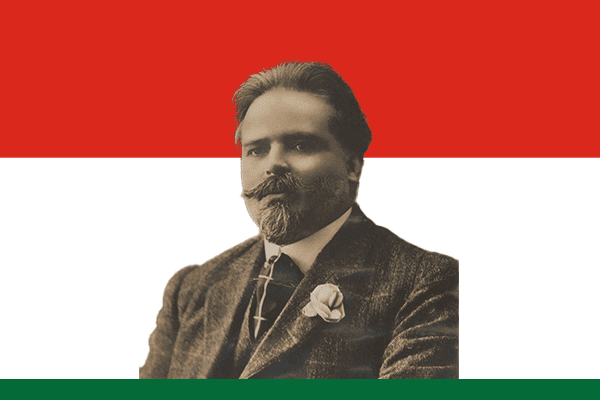
Early Life and Education
António José de Almeida was born on July 17, 1866, in Vale da Vinha, Portugal. He grew up in a modest family and developed a strong interest in education and public affairs. He pursued medical studies at the University of Coimbra, one of Portugal’s most prestigious institutions. During his student years, he actively participated in political debates and expressed strong opposition to the monarchy.
Instead of remaining silent, he used his writing and speeches to criticize authoritarian rule. His famous article “Bragança, o Último” challenged the royal family and brought him national attention. Authorities arrested him due to his outspoken views, but he continued to advocate for change.
Role in the Republican Movement
Almeida became a leading figure in the Portuguese Republican movement. He actively organized political campaigns, inspired young activists, and promoted the establishment of a republic. When the Portuguese Revolution of 1910 took place, he played an important role in supporting the transition from monarchy to republic.
After the revolution, he contributed to building the new political system. Rather than taking a passive role, he engaged directly in governance and helped shape policies that reflected republican principles.
Political Career
Throughout his career, António José de Almeida held several important positions. He served as Minister of the Interior, where he implemented reforms aimed at strengthening public administration and civil liberties. He later became Prime Minister of Portugal from 1916 to 1917 during a challenging period marked by World War I.
As prime minister, he actively worked to maintain stability and manage Portugal’s involvement in the war. He faced political divisions and economic difficulties but continued to push for effective governance. His leadership demonstrated determination and resilience in the face of national challenges.
Presidency
In 1919, António José de Almeida became President of Portugal. His presidency lasted until 1923, making him the only president of the First Republic to complete a full term. During his time in office, he actively sought to unify a politically fragmented nation.
He promoted dialogue among political factions and encouraged cooperation. Instead of remaining distant, he engaged with both political leaders and citizens. His approachable leadership style earned him respect across different segments of society.
Leadership Style and Contributions
Almeida led with charisma, intelligence, and strong communication skills. He believed in democracy, freedom of expression, and social progress. He actively supported education and civic engagement, encouraging citizens to participate in national development.
He also represented Portugal on the international stage, strengthening diplomatic relations. His leadership emphasized national pride and the importance of maintaining democratic institutions.
Challenges and Legacy
António José de Almeida faced significant challenges, including political instability, economic struggles, and social unrest. Despite these obstacles, he remained committed to democratic values. He did not retreat from difficulties; instead, he confronted them with determination.
His legacy lies in his dedication to the الجمهورية and his efforts to stabilize Portugal during a turbulent era. He is remembered as a unifying figure who worked tirelessly to strengthen the nation’s democratic foundations.
Conclusion
António José de Almeida played a vital role in Portugal’s transition to a republic and its early years of democratic governance. Through active leadership and unwavering commitment, he helped shape the country’s political identity. His contributions continue to influence Portugal’s history and democratic traditions.