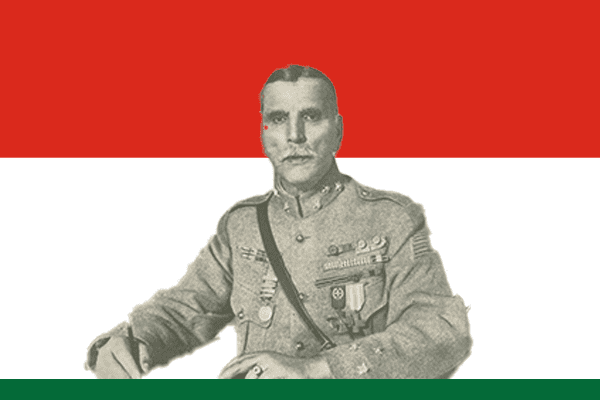
Early Life and Military Career
Manuel Gomes da Costa was born on January 14, 1863, in Lisbon, Portugal. He pursued a military career at a young age and quickly developed a reputation for discipline and leadership. He joined the Portuguese Army and steadily rose through the ranks due to his dedication and competence.
He actively participated in colonial campaigns, particularly in Africa, where he gained valuable battlefield experience. His service in Mozambique and Angola strengthened his reputation as a capable and determined officer. Rather than remaining in routine service, he distinguished himself through strategic thinking and courage in difficult conditions.
Rise to Prominence
Gomes da Costa gained national recognition through his military achievements and his strong opinions about Portugal’s political situation. He criticized the inefficiency and instability of the First Republic, which faced frequent government changes and economic difficulties.
Instead of staying silent, he aligned himself with other military leaders who sought change. His influence grew as dissatisfaction spread among both civilians and the armed forces. He became a symbol of decisive leadership at a time when many Portuguese citizens demanded stability.
The 1926 Coup d’État
In May 1926, Manuel Gomes da Costa played a leading role in the military coup that overthrew the First Portuguese Republic. He actively organized and led troops during the uprising, demonstrating strong command and determination. The coup succeeded in ending years of political chaos and established a military dictatorship.
Following the نجاح of the coup, Gomes da Costa became one of the प्रमुख leaders of the new regime. His actions directly changed the course of Portuguese history and marked the beginning of a new राजनीतिक era.
Presidency and Leadership
After the coup, Gomes da Costa assumed the presidency of Portugal in June 1926. As president, he attempted to bring order and stability to the البلاد. He actively supported strong governance and sought to reorganize political institutions.
However, his presidency lasted only a short time. Internal disagreements within the military leadership weakened his position. In July 1926, fellow अधिकारियों removed him from power and forced him into exile. Despite his brief tenure, his influence on the political transformation remained significant.
Later Life and Legacy
After his removal, Gomes da Costa lived in exile for several years before eventually returning to Portugal. Although he no longer held political power, people continued to recognize his role in shaping modern Portuguese history.
He died on December 17, 1929. Historians remember him as a central figure in the سقوط of the First Republic and the rise of authoritarian rule in Portugal. His actions helped pave the way for the Estado Novo regime, which later developed under António de Oliveira Salazar.
Significance
Manuel Gomes da Costa’s legacy remains complex. He actively ended a democratic but unstable system and replaced it with military rule. Some view him as a stabilizing force, while others criticize his role in undermining democracy.
His leadership during the 1926 coup demonstrated decisiveness and strong military command. At the same time, it highlighted the challenges of balancing stability with democratic values. His life reflects the कठिन choices faced by leaders during periods of national crisis.
Conclusion
Manuel Gomes da Costa stands as an influential yet controversial figure in Portuguese history. Through active leadership, he transformed the political landscape of Portugal during a critical period. His contributions continue to shape historical discussions about governance, stability, and democracy.