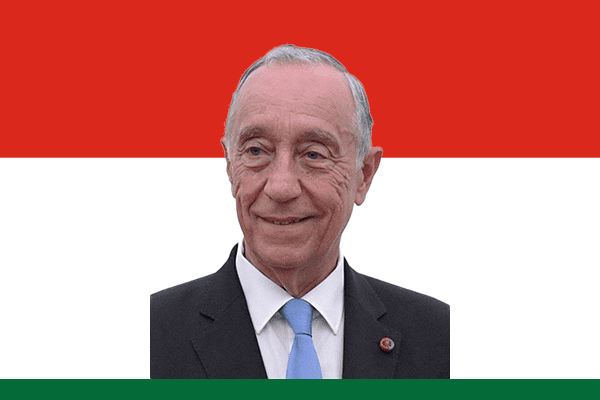
Early Life and Education
Marcelo Rebelo de Sousa was born on December 12, 1948, in Lisbon, Portugal. He grew up in a politically engaged family, as his father, Baltasar Rebelo de Sousa, served as a government minister during the Estado Novo period. From an early age, Marcelo showed strong academic ability and intellectual curiosity.
He pursued a law degree at the University of Lisbon and later earned a doctorate in legal and political sciences. Rather than limiting himself to academic study, he actively engaged in teaching and research. He became a respected professor of law and contributed extensively to academic discussions, shaping future generations of students.
Academic and Media Career
Before entering the presidency, Marcelo built a diverse and influential career. He taught law at several universities and gained recognition as a leading legal scholar. At the same time, he became a well-known media commentator. He regularly appeared on television, where he explained political issues in a clear and engaging manner.
Instead of maintaining a distant academic profile, he actively interacted with the public through media. His approachable communication style helped him build trust and popularity among citizens. This visibility played a significant role in his later political success.
Political Career
Marcelo Rebelo de Sousa has long been involved in Portuguese politics. He served as a member of parliament and led the Social Democratic Party (PSD) from 1996 to 1999. During his leadership, he strengthened the party’s organization and clarified its political direction.
He did not remain confined to party politics; instead, he actively contributed to national debates and policy discussions. His ability to balance intellectual insight with practical politics made him a respected figure across the political spectrum.
Presidency
In 2016, Marcelo Rebelo de Sousa was elected President of Portugal with strong public support. He quickly established a leadership style based on openness, empathy, and direct communication. He regularly meets citizens, visits communities, and responds quickly to national issues.
As president, he ensures the proper functioning of democratic institutions. He reviews legislation, appoints key officials, and can dissolve parliament when necessary. Rather than acting passively, he actively engages in political processes while respecting constitutional limits.
He gained widespread recognition for his leadership during crises, including natural disasters and the COVID-19 pandemic. He communicated clearly, reassured the public, and encouraged collective action. His presence helped maintain stability and confidence during challenging times.
Leadership Style and Influence
Marcelo leads with energy, humility, and accessibility. He often appears in public spaces, interacts with citizens, and maintains a visible presence in national life. He uses clear and simple language to explain complex issues, making politics more accessible.
He also promotes Portugal’s image internationally, strengthening diplomatic relations and cultural connections. His leadership reflects a balance between tradition and modernity, ensuring that Portugal remains active on the global stage.
Personal Life
Despite his demanding role, Marcelo maintains a simple and disciplined lifestyle. He is known for his strong work ethic, intellectual curiosity, and personal humility. He values education, culture, and public service, which influence both his personal and professional life.
Conclusion
Marcelo Rebelo de Sousa continues to shape Portugal’s political landscape through active leadership and strong public engagement. He combines academic excellence, media experience, and political insight to serve his country effectively. His presidency reflects a commitment to democracy, unity, and progress.