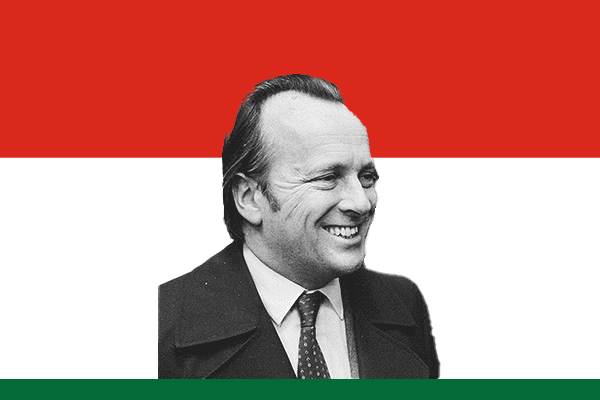
Early Life and Education
Francisco José Pereira Pinto Balsemão was born on September 1, 1937, in Lisbon, Portugal. He grew up in a well-educated family and developed an early interest in law, politics, and communication. He pursued a law degree at the University of Lisbon, where he gained a solid academic foundation.
Instead of limiting himself to academic study, he actively engaged in intellectual discussions and student activities. These experiences helped him develop analytical thinking and leadership skills that later defined his career.
Career in Journalism and Media
Balsemão began his professional journey as a journalist. In 1973, he founded the newspaper Expresso, which quickly became one of Portugal’s most influential weekly publications. He actively shaped its editorial direction and used it as a platform to encourage informed public debate.
Rather than remaining a passive observer, he contributed directly to the development of independent media in Portugal. After the Carnation Revolution, which ended decades of authoritarian rule, he expanded his role in media. He later established the Impresa media group, strengthening Portugal’s private media sector.
Political Career
Balsemão played an important role in Portugal’s transition to democracy. He became a founding member of the Social Democratic Party (PSD), working alongside Francisco Sá Carneiro. He actively participated in drafting democratic policies and building political institutions.
In 1981, following the tragic death of Sá Carneiro, Balsemão assumed the office of Prime Minister of Portugal. He led the government during a challenging period marked by political instability and economic difficulties. Rather than avoiding responsibility, he took decisive actions to maintain governmental continuity and democratic order.
Prime Ministership
As Prime Minister from 1981 to 1983, Balsemão faced significant challenges, including coalition tensions and economic pressures. He worked actively to stabilize the government and manage political divisions. He promoted dialogue among political actors and attempted to maintain unity within the ruling coalition.
Although his tenure encountered difficulties, he demonstrated commitment to democratic governance. Instead of allowing instability to dominate, he focused on preserving institutional integrity. His leadership contributed to the consolidation of Portugal’s democratic system during its early years.
Later Career and Contributions
After leaving political office, Balsemão returned to his work in media and business. He continued to lead the Impresa group and expanded its influence in television, publishing, and digital platforms. He actively promoted journalistic standards and media independence.
He also remained involved in public life through cultural and intellectual initiatives. His contributions extended beyond politics, influencing Portugal’s social and cultural development. Rather than withdrawing from public engagement, he continued to shape national discourse.
Personal Life
Francisco Pinto Balsemão maintains a private yet respected personal life. He balances his professional commitments with family responsibilities. His long career reflects dedication, resilience, and adaptability across different fields.
Legacy and Significance
Balsemão’s legacy combines political leadership with media innovation. He helped guide Portugal through a critical phase of democratic transition and strengthened the foundations of free press. His work in journalism ensured that citizens remained informed and engaged.
Instead of limiting his influence to one domain, he actively contributed to both governance and communication. His efforts continue to impact Portuguese society and democratic values.
Conclusion
Francisco Pinto Balsemão remains a key figure in Portugal’s modern history. Through active leadership in politics and media, he played a vital role in shaping a democratic and informed society. His contributions highlight the importance of responsibility, innovation, and public service.