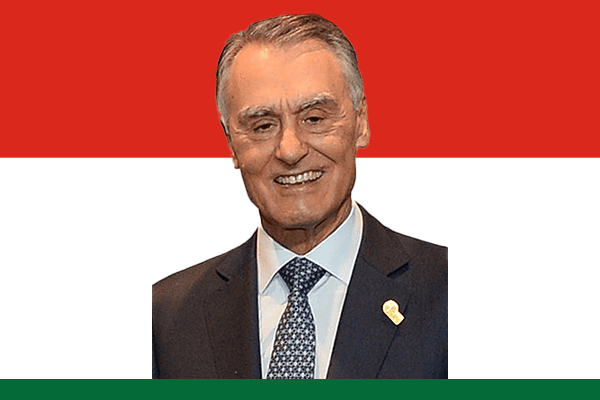
Early Life and Education
Aníbal António Cavaco Silva was born on July 15, 1939, in Boliqueime, a small village in the Algarve region of Portugal. He grew up in a modest family and developed a strong work ethic early in life. He pursued higher education in economics at the Technical University of Lisbon, where he excelled academically.
Rather than limiting himself to classroom learning, he actively engaged in research and later earned a doctorate in economics from the University of York in the United Kingdom. His academic background gave him a deep understanding of financial systems, which later influenced his political decisions.
Entry into Politics
Cavaco Silva entered politics after the Carnation Revolution of 1974, which transformed Portugal into a democratic state. He joined the Social Democratic Party (PSD) and quickly rose through its ranks. Instead of remaining in the background, he actively contributed to shaping party policies and economic strategies.
He served as Minister of Finance in the late 1970s, where he gained valuable experience in managing economic challenges. His practical approach and strong analytical skills helped him build a reputation as a competent and reliable leader.
Prime Ministership (1985–1995)
In 1985, Cavaco Silva became Prime Minister of Portugal, marking the beginning of a decade of significant transformation. He actively implemented economic reforms aimed at stabilizing the economy, reducing inflation, and encouraging investment.
Under his leadership, Portugal joined the European Economic Community (now the European Union), which accelerated economic growth and development. He promoted infrastructure projects, improved education systems, and encouraged modernization across various sectors.
Rather than relying on passive governance, Cavaco Silva took decisive actions that strengthened Portugal’s economic foundation. His tenure brought stability and progress, making him one of the longest-serving prime ministers in Portuguese history.
Presidency (2006–2016)
After a period away from frontline politics, Cavaco Silva returned to serve as President of Portugal in 2006. As president, he played a more supervisory and stabilizing role within the political system. He ensured that democratic institutions functioned effectively and intervened when necessary during times of political uncertainty.
During the global financial crisis, he worked closely with the government to maintain stability and public confidence. Instead of remaining symbolic, he actively used his influence to guide the country through economic challenges.
Leadership Style and Contributions
Cavaco Silva is known for his pragmatic and disciplined leadership style. He focuses on economic responsibility, long-term planning, and institutional stability. He consistently emphasizes the importance of education, innovation, and fiscal discipline.
He does not avoid difficult decisions; instead, he confronts economic and political challenges with a clear and analytical approach. His contributions significantly shaped Portugal’s transition into a modern European economy.
Challenges and Criticism
Despite his achievements, Cavaco Silva faced criticism, particularly during periods of economic hardship. Some critics argued that his policies favored austerity measures. However, he responded by emphasizing the need for financial stability and sustainable growth.
Rather than withdrawing from public debate, he actively defended his decisions and engaged with political stakeholders. His resilience allowed him to maintain influence throughout his career.
Conclusion
Aníbal Cavaco Silva remains a key figure in Portugal’s political history. Through active leadership and economic reform, he helped modernize the country and strengthen its position in Europe. His legacy reflects stability, discipline, and a commitment to national progress.