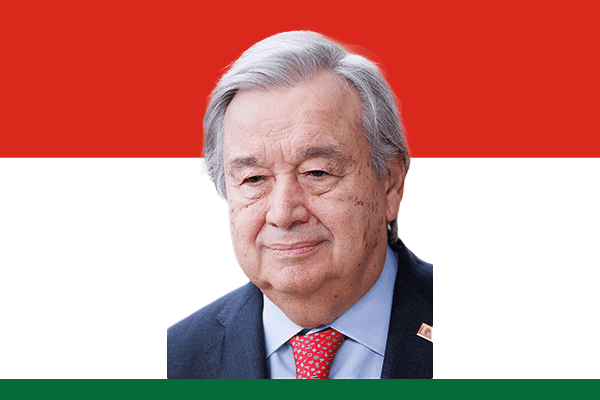
Early Life and Education
António Guterres was born on April 30, 1949, in Lisbon, Portugal. He grew up in a middle-class family and demonstrated strong academic abilities from an early age. He studied engineering at the University of Lisbon, where he excelled in physics and mathematics. During his student years, he became actively involved in political discussions, particularly during the final years of authoritarian rule in Portugal.
Instead of remaining a passive observer, he participated in civic activities that supported democratic change. His early experiences shaped his commitment to social justice and public service.
Political Career in Portugal
Guterres began his political career after the Carnation Revolution, which transformed Portugal into a democracy. He joined the Socialist Party and quickly rose through its ranks. He served as a member of parliament and later became Secretary-General of the Socialist Party.
In 1995, he became Prime Minister of Portugal. During his tenure, he actively focused on economic development, education reform, and social welfare. He worked to modernize Portugal’s infrastructure and strengthen its role within the European Union. Rather than maintaining a passive leadership style, he engaged directly with national issues and implemented practical reforms.
International Humanitarian Leadership
After leaving national politics, Guterres shifted his focus to international humanitarian work. In 2005, he became the United Nations High Commissioner for Refugees. During this period, he actively addressed global refugee crises and advocated for displaced people worldwide.
He visited refugee camps, raised awareness about humanitarian emergencies, and pushed for stronger international cooperation. His leadership significantly improved the visibility and effectiveness of refugee assistance programs. He did not remain confined to administrative duties; instead, he engaged directly with affected communities.
Secretary-General of the United Nations
In 2017, António Guterres assumed office as Secretary-General of the United Nations. As Secretary-General, he actively works to prevent conflicts, promote diplomacy, and support sustainable development goals. He emphasizes climate action as a top priority and consistently urges countries to reduce carbon emissions.
He also focuses on global health, digital cooperation, and gender equality. Rather than adopting a passive role, he uses his platform to call for urgent action on pressing global issues. His leadership style reflects urgency, engagement, and collaboration.
Leadership Style and Challenges
Guterres leads with a pragmatic and compassionate approach. He listens to diverse perspectives and encourages dialogue among nations. However, he faces significant challenges, including geopolitical tensions, armed conflicts, and climate crises.
He addresses these challenges by promoting multilateralism and encouraging cooperation among member states. Instead of avoiding difficult situations, he confronts them with determination and clear communication. His ability to remain active in complex global environments defines his leadership.
Legacy and Impact
António Guterres has built a legacy rooted in service, diplomacy, and humanitarian action. He has strengthened the role of the United Nations in addressing global problems and has amplified the voices of vulnerable populations.
His work on refugee issues, climate change, and international peace continues to influence global policies. He actively inspires leaders and citizens to take responsibility for the future of the planet.
Conclusion
António Guterres remains a key figure in global governance. Through active leadership and unwavering commitment, he addresses some of the world’s most pressing challenges. His efforts continue to shape international cooperation and promote a more just and sustainable world.