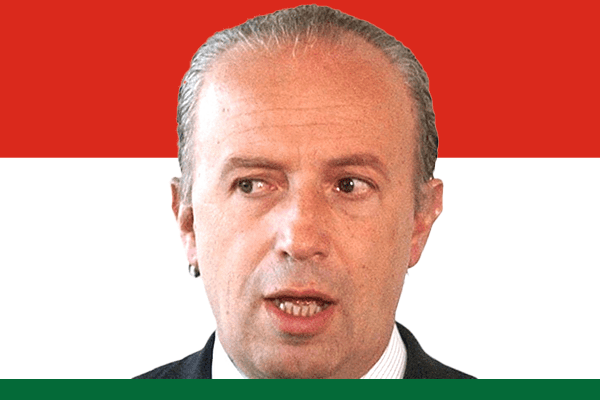
Early Life and Education
Pedro Santana Lopes was born on June 29, 1956, in Lisbon, Portugal. He grew up in a politically aware environment that encouraged debate and civic participation. He pursued a law degree at the University of Lisbon, where he developed strong analytical and communication skills.
During his student years, he actively engaged in political discussions and movements, which laid the foundation for his future career. Rather than remaining a passive observer, he immersed himself in political life and built connections that later supported his rise in politics.
Entry into Politics
Santana Lopes began his political journey as a member of the Social Democratic Party (PSD). He quickly gained recognition for his energy and communication skills. He served as a Member of Parliament, where he actively contributed to legislative debates and policy-making.
He did not limit himself to parliamentary work; instead, he expanded his influence by taking on various leadership roles. His early political career reflected determination and adaptability, which helped him gain prominence within his party.
Local Government Leadership
One of Santana Lopes’s most notable contributions came through his work in local government. He served as Mayor of Figueira da Foz and later as Mayor of Lisbon. In these roles, he actively promoted urban development, cultural initiatives, and public engagement.
As mayor of Lisbon, he focused on improving infrastructure and enhancing the city’s cultural profile. He worked closely with local communities and demonstrated a hands-on approach to governance. His leadership style emphasized visibility, direct communication, and active problem-solving.
Prime Ministership
In 2004, Pedro Santana Lopes became Prime Minister of Portugal following the resignation of José Manuel Barroso, who left to become President of the European Commission. Santana Lopes quickly assumed leadership and began addressing national challenges.
He actively managed government affairs, focusing on economic stability and administrative efficiency. However, his tenure faced criticism due to political instability and internal disagreements within the government. Despite his efforts, the presidency dissolved parliament, leading to early elections in 2005.
Political Style and Challenges
Santana Lopes is known for his charismatic and energetic leadership style. He communicates directly with the public and takes an active role in political debates. However, critics have sometimes viewed his approach as controversial or unpredictable.
Instead of stepping back during challenges, he consistently engages with criticism and seeks to defend his policies. His career reflects both achievements and setbacks, highlighting the complexities of political leadership.
Later Career
After his term as prime minister, Santana Lopes continued to participate actively in Portuguese politics. He remained involved in party activities and later founded a new political movement, demonstrating his ongoing commitment to public service.
He also contributed to media and public discourse, sharing his perspectives on national issues. His continued involvement shows his dedication to influencing Portugal’s political landscape.
Conclusion
Pedro Santana Lopes remains a significant figure in Portuguese politics. Through active leadership and persistent engagement, he has left a lasting impact on both local and national governance. His career illustrates the challenges and responsibilities of political leadership in a modern democracy.