Early Life and Education
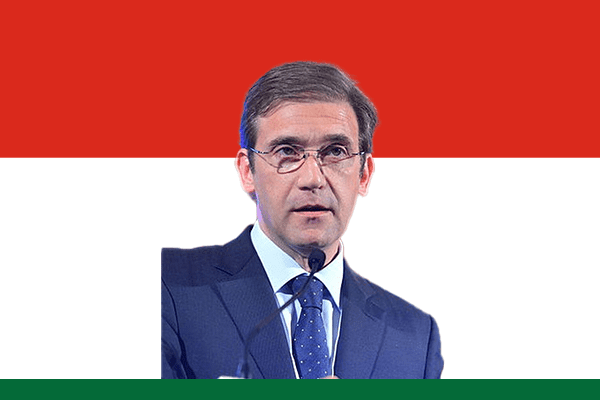
Pedro Passos Coelho was born on July 24, 1964, in Coimbra, Portugal. He spent part of his childhood in Angola, where his family lived during the final years of Portuguese colonial rule. After returning to Portugal, he pursued his education and developed a strong interest in economics and politics.
He studied economics at the Lusíada University of Lisbon. Rather than limiting himself to academic study, he actively engaged in political activities from a young age. He joined the Social Democratic Youth organization and quickly emerged as a promising leader, gaining experience in political organization and public speaking.
Political Career
Passos Coelho built his political career steadily through active involvement in party structures and national politics. He became a Member of Parliament at a young age, representing the Social Democratic Party. Over time, he gained recognition for his pragmatic approach and organizational skills.
In 2010, he assumed leadership of the Social Democratic Party. He actively restructured the party’s strategy and positioned it as a strong alternative to the ruling government. His leadership focused on fiscal responsibility, economic reform, and restoring trust in governance.
Prime Ministership
In 2011, Pedro Passos Coelho became Prime Minister of Portugal during a severe financial crisis. The country faced high public debt, rising unemployment, and pressure from international lenders. He took office at a time when decisive action was necessary.
Instead of adopting a passive stance, he actively implemented austerity measures as part of a bailout agreement with the European Union and the International Monetary Fund. He reduced public spending, reformed labor laws, and increased taxes to stabilize the economy.
These policies generated mixed reactions. Supporters argued that his reforms restored financial stability and credibility, while critics claimed that austerity measures placed heavy burdens on citizens. Despite the challenges, he remained committed to his economic strategy and pursued reforms with determination.
Leadership Style and Policies
Passos Coelho led with a firm and disciplined approach. He emphasized accountability, efficiency, and long-term economic sustainability. He actively communicated the necessity of reforms to the public, even when they proved unpopular.
He also promoted structural changes in sectors such as public administration, labor markets, and business regulation. Rather than avoiding difficult decisions, he addressed economic challenges directly and worked to align Portugal with broader European economic standards.
Challenges and Criticism
During his tenure, Passos Coelho faced significant opposition due to austerity measures and social impacts. Protests and public dissatisfaction reflected the hardships experienced by many citizens. However, he continued to engage with critics and defended his policies as essential for national recovery.
He navigated political pressures and maintained stability within his government. His ability to manage complex economic and political challenges demonstrated resilience and strategic thinking.
Post-Prime Ministership
After leaving office in 2015, Passos Coelho gradually stepped back from frontline politics. However, his influence on Portuguese economic policy and political discourse remains significant. Analysts continue to debate the long-term impact of his reforms on Portugal’s economy.
Conclusion
Pedro Passos Coelho stands as a key figure in Portugal’s recent political history. Through active leadership, he guided the country through a period of economic crisis and implemented reforms that shaped its recovery. His tenure highlights the complexities of governance during times of financial hardship and the importance of decisive action.