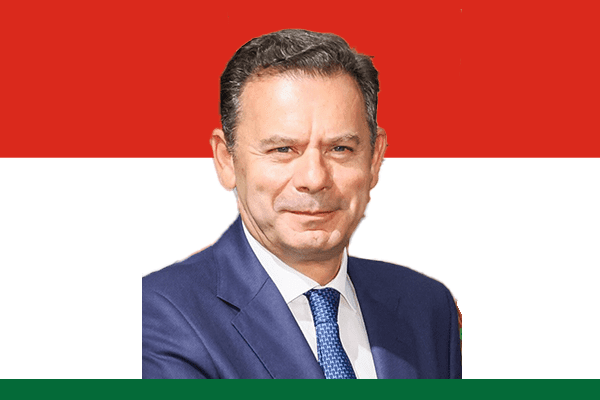
Early Life and Education
Luís Montenegro was born on February 16, 1973, in Porto, Portugal. He grew up in Espinho, where he developed a strong sense of community and public service. From an early age, he showed interest in law and governance. He pursued a degree in law at the Catholic University of Portugal, which provided him with a solid academic foundation.
Rather than limiting himself to theoretical knowledge, he actively engaged in student and civic activities. These experiences helped him develop leadership skills and a practical understanding of legal and political systems.
Entry into Politics
Montenegro began his political journey at a young age by joining the Social Democratic Party. He quickly gained recognition for his dedication and organizational abilities. He served in local government roles, where he actively addressed community issues and built strong connections with citizens.
He later became a Member of the Portuguese Parliament, where he contributed to legislative debates and policy development. Instead of taking a passive role, he actively participated in discussions and worked on initiatives that promoted economic growth and institutional stability.
Rise to Leadership
Montenegro’s political career advanced steadily as he took on more responsibilities within the PSD. He served as the parliamentary leader of the party, where he coordinated legislative strategies and strengthened party unity. His leadership style emphasized collaboration, clear communication, and decisive action.
In 2022, he became the president of the Social Democratic Party. In this role, he actively restructured the party’s direction and prepared it for future electoral challenges. He focused on presenting practical solutions to national issues, including economic recovery and public sector efficiency.
Prime Ministership
In 2024, Luís Montenegro became Prime Minister of Portugal, marking a significant milestone in his political career. He immediately took an active approach to governance by introducing reforms aimed at boosting economic growth and improving public services.
He prioritizes fiscal discipline, job creation, and investment in key sectors such as education and infrastructure. He also works to strengthen Portugal’s position within the European Union, engaging with international partners and promoting cooperation.
Rather than relying on passive administration, Montenegro leads with clear objectives and measurable outcomes. He actively engages with stakeholders, listens to public concerns, and implements policies designed to produce tangible results.
Leadership Style and Policies
Montenegro’s leadership style reflects pragmatism and accountability. He emphasizes efficiency in government operations and transparency in decision-making. He actively supports policies that encourage entrepreneurship, innovation, and sustainable development.
On social issues, he aims to balance economic progress with social welfare. He addresses challenges such as housing, healthcare, and education through targeted reforms. His approach involves direct engagement with communities and institutions, ensuring that policies remain relevant and effective.
Challenges and Criticism
Like any political leader, Montenegro faces criticism and challenges. Economic pressures, political opposition, and public expectations test his leadership. However, he actively responds to these challenges by refining policies and maintaining open communication.
Instead of avoiding criticism, he uses it as an opportunity to improve governance and strengthen public trust. His resilience and adaptability play a crucial role in navigating complex political environments.
Personal Life
Luís Montenegro maintains a balanced personal life alongside his political responsibilities. He is married and values family life, which influences his perspective on social policies and community development. His grounded personality helps him connect with citizens on a personal level.
Conclusion
Luís Montenegro stands as an influential figure in Portuguese politics. Through active leadership and a commitment to reform, he continues to shape the future of Portugal. His focus on economic growth, governance, and social balance defines his role as a modern political leader.