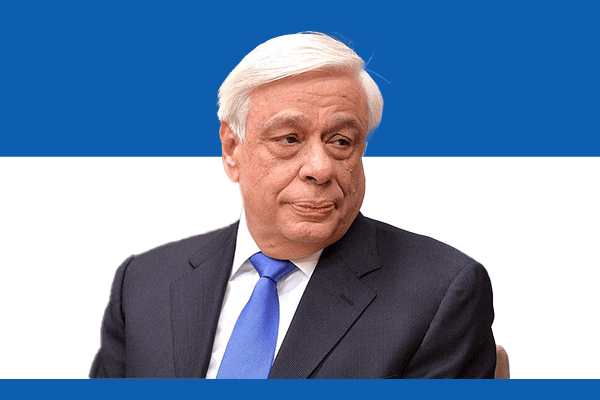
Early Life and Education
Prokopis Pavlopoulos was born on July 10, 1950, in Kalamata, Greece. He grew up in a politically aware family, which influenced his early interest in public affairs. He studied law at the University of Athens and later continued his postgraduate studies in France, specializing in public law.
Rather than limiting himself to academic theory, he actively engaged in legal research and teaching. He became a professor of constitutional law and gained recognition for his expertise in legal and political matters. His academic career strengthened his analytical thinking and prepared him for leadership roles in government.
Political Career
Pavlopoulos entered politics as a member of the New Democracy party. He served in various governmental roles and developed a reputation for his deep understanding of constitutional law. From 2004 to 2009, he worked as Minister of the Interior, where he implemented administrative reforms and improved public services.
He did not remain passive in his role; instead, he actively contributed to policy development and governance. His work focused on strengthening state institutions and ensuring efficient administration. Over time, he became one of the most respected figures within his party.
Presidency of Greece
In 2015, the Hellenic Parliament elected Prokopis Pavlopoulos as President of Greece. As president, he performed primarily ceremonial duties but also exercised moral authority during times of crisis. Greece faced economic hardship and political uncertainty during his tenure, yet he provided steady leadership.
He actively defended the Greek Constitution and emphasized the importance of democratic principles. He also represented Greece internationally, promoting cooperation and diplomacy. Instead of remaining symbolic, he used his position to encourage unity among political parties and citizens.
Leadership During Crisis
Pavlopoulos served during the aftermath of the Greek financial crisis, a period marked by austerity measures and public dissatisfaction. He addressed these challenges by promoting dialogue and stability. He encouraged political leaders to work together for the benefit of the nation.
He also emphasized Greece’s role within the European Union and supported efforts to maintain strong international relationships. His calm and composed leadership helped reassure citizens during uncertain times.
Personal Life
Prokopis Pavlopoulos maintains a private and disciplined personal life. He is married to Vlassia Pavlopoulou, and they have children together. Despite his high-profile career, he values family and intellectual pursuits.
He continues to contribute to academic discussions and legal scholarship even after his presidency. His dedication to education and public service reflects his lifelong commitment to knowledge and governance.
Legacy and Contribution
Pavlopoulos leaves behind a legacy of constitutional integrity and responsible leadership. He strengthened the role of the presidency as a stabilizing force in Greek politics. His efforts to promote unity and uphold democratic values remain significant.
Rather than seeking political power, he focused on preserving institutional balance and guiding the country through difficult times. His contributions continue to influence Greece’s political and legal landscape.
Conclusion
Prokopis Pavlopoulos stands as a key figure in modern Greek history. Through active leadership and dedication to democratic principles, he helped guide Greece during a critical period. His presidency reflects stability, integrity, and a deep commitment to public service.