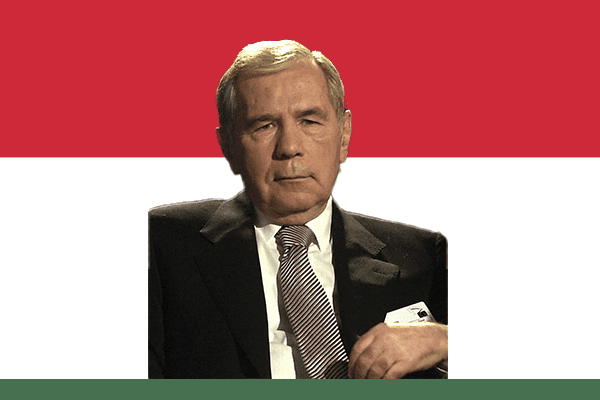
Early Life and Education
Gyula Horn was born on July 5, 1932, in Budapest, Hungary. He grew up in a modest family and experienced the hardships of World War II and its aftermath. These early experiences shaped his political outlook and deepened his understanding of social and economic challenges.
He pursued higher education in economics and finance, which provided him with a strong foundation for his later political career. After completing his studies, he entered public service and gradually became involved in Hungary’s political system during the socialist era.
Political Career Beginnings
Horn began his career within the Hungarian Socialist Workers’ Party, where he gained experience in administration and international relations. He worked in the Ministry of Foreign Affairs and developed expertise in diplomacy.
During the late 1980s, as communist regimes across Eastern Europe began to weaken, Horn emerged as a reformist voice within the system. He supported political change and encouraged Hungary’s transition toward democracy.
Role in the Fall of Communism
Gyula Horn played a key role in one of the most significant events leading to the end of communist rule in Eastern Europe. In 1989, as Hungary’s Foreign Minister, he helped open the border between Hungary and Austria. This decision allowed thousands of East Germans to escape to the West, accelerating the collapse of the Iron Curtain.
Horn’s actions demonstrated courage and foresight. He actively contributed to peaceful political transformation and strengthened Hungary’s reputation on the international stage. His role in these historic events remains one of his most notable achievements.
Prime Minister of Hungary
In 1994, Gyula Horn led the Hungarian Socialist Party to electoral victory and became Prime Minister. During his tenure, he focused on stabilizing the economy and implementing reforms. He introduced policies aimed at reducing inflation, attracting foreign investment, and modernizing Hungary’s financial system.
His government worked to strengthen democratic institutions and promote social welfare. Despite facing economic challenges, Horn maintained a balanced approach between fiscal responsibility and social support.
Foreign Policy and European Integration
Horn prioritized Hungary’s integration into Western institutions. He actively pursued membership in organizations such as the European Union and NATO. His diplomatic efforts helped position Hungary as a reliable partner in Europe.
He believed that integration would ensure long-term stability and prosperity for Hungary. Through negotiations and reforms, he laid the groundwork for Hungary’s eventual accession to these institutions after his term.
Personal Life and Legacy
Gyula Horn remained a respected figure even after leaving office. He continued to influence Hungarian politics and public life. His leadership style combined pragmatism with a strong commitment to reform.
Horn passed away on June 19, 2013, but his legacy continues to shape Hungary’s modern identity. He is remembered for guiding the country through a critical period of transformation and for promoting democratic values.
Conclusion
Gyula Horn stands out as a transformative leader in Hungary’s history. He actively contributed to the fall of communism, strengthened democratic governance, and advanced European integration. His vision and leadership helped Hungary navigate a complex era of change, leaving a lasting impact on the nation.