HUNGARY
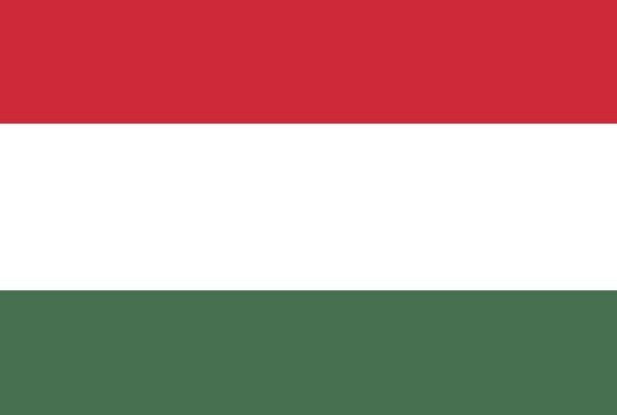
Hungary flag
The flag of Hungary features three horizontal stripes in red, white, and green. Red symbolizes strength and bravery, white represents faithfulness and freedom, while green stands for hope and the country’s fertile land. The modern design was officially adopted in 1957, though the colors have historical roots dating back centuries. Hungary’s flag reflects national pride, independence, and cultural heritage. It is widely displayed during national celebrations, government events, and international sports competitions to represent the Hungarian nation.
Introduction to Hungary
Hungary is a landlocked country located in Central Europe. It is known for its rich history, beautiful architecture, thermal baths, and strong cultural traditions. The capital city, Budapest, is often called the “Pearl of the Danube” because the famous Danube River flows through the city. Hungary shares borders with Austria, Slovakia, Ukraine, Romania, Serbia, Croatia, and Slovenia. The country has played an important role in European history for many centuries.
Geography and Climate
Hungary covers an area of about 93,000 square kilometers. Much of the country consists of plains, especially the Great Hungarian Plain in the east. The Danube River and the Tisza River are the two main rivers of the country. Hungary experiences a continental climate with cold winters and warm summers. The natural beauty of the countryside, lakes, and forests attracts many tourists every year. Lake Balaton, the largest lake in Central Europe, is one of the country’s most popular holiday destinations.
History of Hungary
The history dates back more than a thousand years. The Hungarian state was founded in 1000 AD by Stephen I of Hungary, who later became a saint. During the medieval period, Hungary became a powerful kingdom in Europe. In the 16th century, much of the country came under Ottoman rule. Later, Hungary became part of the Austro-Hungarian Empire along with Austria. After World War I, the empire collapsed, and Hungary became an independent nation. During the Cold War, Hungary was under communist rule until 1989, when it became a democratic republic.
Culture and Traditions
Hungarian culture is famous for its music, dance, literature, and cuisine. Traditional Hungarian folk music and dances remain important parts of national identity. Hungary is also known for delicious dishes such as goulash, paprika chicken, and chimney cake. The Hungarian language is unique and different from most other European languages. Festivals, art, and classical music events are celebrated throughout the year, especially in Budapest.
Economy and Tourism
Hungary has a mixed economy based on industries, agriculture, and services. The country produces automobiles, electronics, medicines, and agricultural products. Tourism is also a major source of income. Millions of visitors come to see Budapest’s historic buildings, castles, bridges, and thermal spas. Popular attractions include Buda Castle and the Hungarian Parliament Building.
Conclusion
Hungary is a country with a deep historical background, vibrant culture, and modern development. Its scenic landscapes, historical monuments, and warm hospitality make it an important and attractive nation in Europe. From its ancient traditions to its modern cities, Hungary continues to preserve its unique identity while moving forward in the modern world.