PRIME MINISTERS OF HUNGARY
Prime Ministers of Hungary
Hungary has a parliamentary system in which the Prime Minister serves as the head of government. The Prime Minister is responsible for leading the cabinet, making national policies, and managing the daily administration of the country. Since the modern democratic system was restored after the fall of communism in 1989, Hungary has had several influential prime ministers who shaped its political and economic development. These leaders guided the country through democratic reforms, European integration, and economic changes.
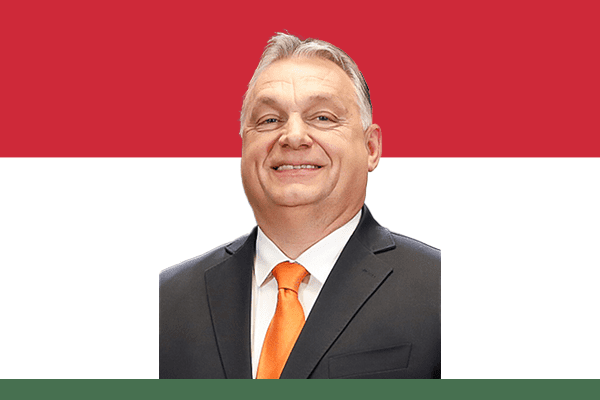
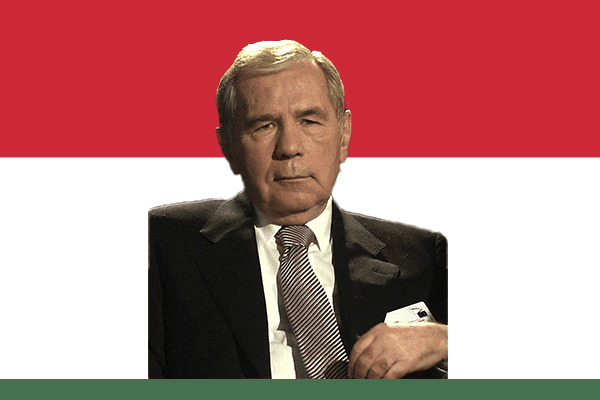
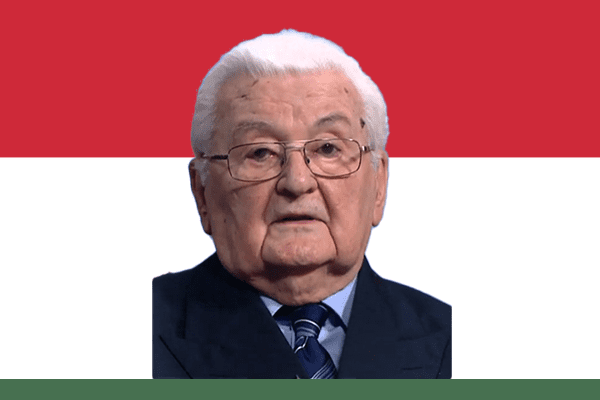
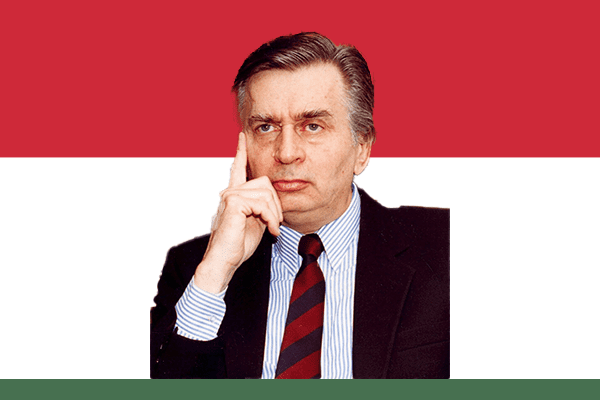
LIST OF PRIME MINISTERS OF HUNGARY
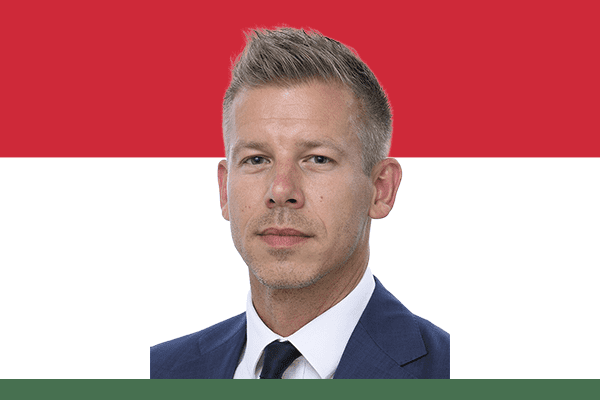
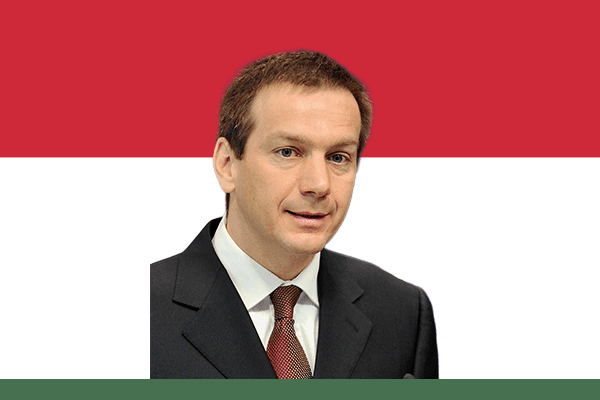
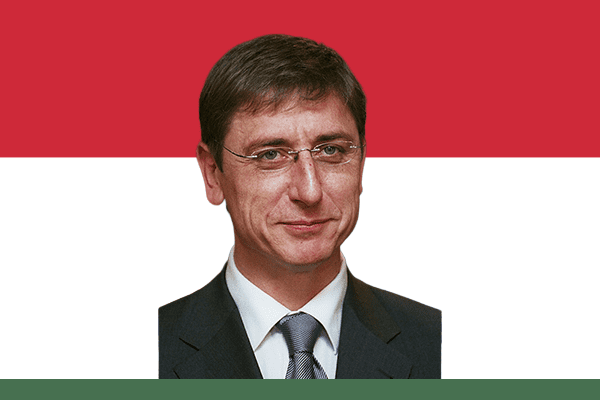
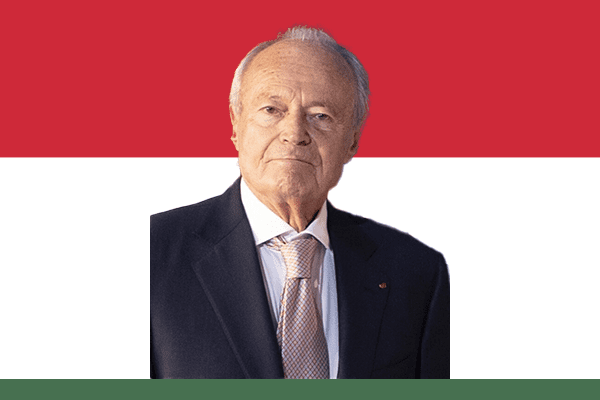
Role of the Prime Minister
The Prime Minister of Hungary is the most powerful political leader in the government. The President of Hungary formally appoints the Prime Minister, but the National Assembly elects the candidate. The Prime Minister selects ministers, directs government policies, and represents Hungary in international affairs. The office plays a major role in both domestic and foreign policy decisions.
Important Prime Ministers of Hungary
József Antall
József Antall became the first democratically elected Prime Minister after the end of communist rule in 1990. He focused on building democratic institutions and introducing a market economy. Antall helped Hungary strengthen its relations with Western Europe during a difficult transition period.
Gyula Horn
Gyula Horn served from 1994 to 1998. He became known internationally for supporting the opening of Hungary’s border with Austria in 1989, an event that contributed to the fall of the Iron Curtain. During his leadership, Hungary continued economic reforms and improved foreign relations.
Viktor Orbán
Viktor Orbán is one of the most significant political figures in modern Hungarian history. He first served as Prime Minister from 1998 to 2002 and returned to office in 2010. Orbán leads the Fidesz party and has introduced strong nationalist and conservative policies. His government has focused on economic growth, border security, and constitutional reforms. However, critics have expressed concerns about media freedom and democratic standards under his leadership.
Ferenc Gyurcsány
Ferenc Gyurcsány served between 2004 and 2009. His government introduced economic reforms but also faced public protests after a leaked speech created political controversy. The global financial crisis also affected Hungary during his term.
Gordon Bajnai
Gordon Bajnai became Prime Minister in 2009 during an economic crisis. He introduced financial measures aimed at stabilizing the economy before elections were held in 2010.
Conclusion
The Prime Ministers of Hungary have played an important role in shaping the country’s modern political and economic system. From democratic transition to European cooperation and national reforms, each leader influenced Hungary’s direction in different ways. Today, the office of Prime Minister remains central to Hungarian politics and governance.