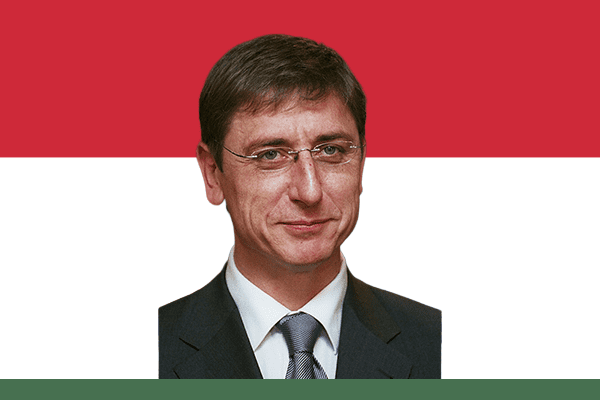
Early Life and Education
Ferenc Gyurcsány was born on June 4, 1961, in Pápa, Hungary. He grew up in modest circumstances, which influenced his determination to succeed. He pursued higher education at Janus Pannonius University, where he studied economics. During his university years, he actively participated in student organizations and political activities, which laid the foundation for his future career.
He initially built a successful career in business. Through entrepreneurship and leadership, he gained financial independence and valuable managerial experience. This background later helped him navigate the complexities of governance and economic reform.
Entry into Politics
Gyurcsány entered politics in the 1990s after Hungary transitioned from communism to democracy. He joined the Hungarian Socialist Party and quickly rose through its ranks. His ability to communicate effectively and his strong leadership skills earned him recognition within the party.
In 2004, he became Prime Minister after Péter Medgyessy resigned. Gyurcsány took charge at a time when Hungary faced economic challenges and needed structural reforms. He immediately focused on modernizing the economy and improving public administration.
Tenure as Prime Minister
As Prime Minister, Gyurcsány introduced reforms aimed at reducing budget deficits and strengthening Hungary’s position within the European Union. He actively promoted education, healthcare, and economic restructuring. His government worked to align Hungary with European standards and enhance competitiveness.
However, his tenure also faced significant challenges. In 2006, a leaked speech revealed that he had admitted to misleading the public about the country’s economic situation. This incident sparked widespread protests and political unrest. Despite the controversy, Gyurcsány defended his reform agenda and continued to push for change.
He led Hungary during a period of global economic uncertainty, including the financial crisis of 2008. His government implemented measures to stabilize the economy, though critics debated their effectiveness.
Resignation and Later Career
In 2009, Gyurcsány resigned as Prime Minister, acknowledging the need for new leadership to address Hungary’s economic difficulties. After stepping down, he remained active in politics. He founded the Democratic Coalition party, positioning himself as a key opposition leader.
Gyurcsány continues to influence Hungarian politics through speeches, policy proposals, and public engagement. He often advocates for democratic values, European integration, and social reforms. His role as an opposition figure keeps him at the center of political debates in Hungary.
Political Style and Influence
Gyurcsány is known for his direct and sometimes confrontational communication style. He actively engages with both supporters and critics, making him a polarizing figure. Supporters admire his willingness to implement difficult reforms, while critics question his leadership decisions during crises.
Despite controversies, Gyurcsány has significantly impacted Hungary’s political development. His policies and leadership have shaped discussions on governance, economic reform, and democratic accountability.
Legacy
Ferenc Gyurcsány’s legacy reflects both achievement and controversy. He played a crucial role in guiding Hungary through a transformative period, yet his tenure remains debated. His commitment to reform and active participation in politics ensure that his influence endures.
Conclusion
Ferenc Gyurcsány remains a central figure in Hungary’s political scene. Through active leadership and continued engagement, he has left a lasting mark on the country’s modern history. His career illustrates the complexities of political leadership in a rapidly changing world.