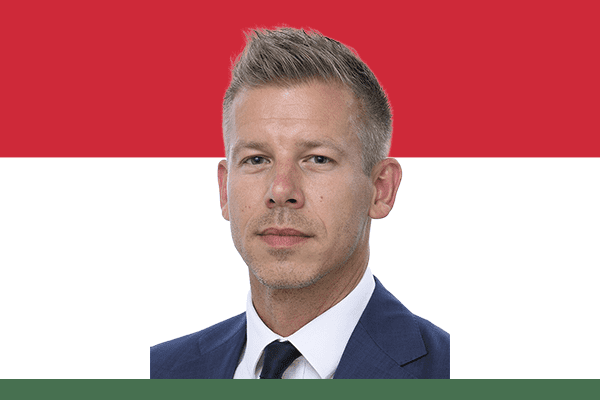
Early Life and Background
Péter Magyar was born in Hungary and grew up in a society shaped by political transformation after the fall of communism. He pursued higher education in law and developed a strong understanding of legal systems and public administration. Instead of limiting himself to theoretical knowledge, he applied his education in professional roles that connected him to governance and institutional processes.
He built his career in both the public and private sectors, gaining insights into how political and economic systems operate. Through these experiences, he developed a critical perspective on leadership, accountability, and the functioning of state institutions.
Professional Career
Magyar worked in legal and administrative roles that placed him close to decision-making structures. He handled responsibilities that required analytical thinking, communication skills, and a clear understanding of policy frameworks. Rather than passively following established procedures, he questioned inefficiencies and advocated for better governance practices.
His professional journey also connected him to influential networks within Hungary. These connections later played a role in shaping his public profile. However, instead of relying solely on these networks, he built his reputation by expressing independent views and engaging with broader audiences.
Rise to Public Prominence
Péter Magyar gained national attention when he began speaking openly about issues within Hungary’s political system. He used media platforms and public appearances to highlight concerns related to transparency and institutional integrity. Instead of avoiding controversy, he addressed sensitive topics directly and encouraged public discussion.
His communication style combines clarity with assertiveness, which resonates with many citizens. By presenting his ideas in an accessible way, he reaches audiences beyond traditional political circles. As a result, he has quickly become a recognizable and influential voice.
Political Views and Advocacy
Magyar advocates for transparency, accountability, and democratic values. He emphasizes the importance of strong institutions and responsible leadership. Rather than accepting existing conditions, he calls for reforms that improve governance and public trust.
He also highlights the role of citizens in shaping political outcomes. By encouraging civic participation, he promotes a more inclusive political culture. His approach reflects a belief that meaningful change requires active involvement from both leaders and the public.
Challenges and Criticism
As a public figure, Péter Magyar faces criticism from various quarters. Some critics question his methods, while others challenge his perspectives. Instead of retreating, he addresses criticism directly and continues to engage in public debate.
Operating in a politically polarized environment presents additional challenges. However, he navigates these complexities by maintaining a consistent message focused on reform and accountability. His willingness to confront opposition demonstrates resilience and determination.
Impact and Significance
Péter Magyar’s influence extends beyond individual statements or appearances. He contributes to broader conversations about governance, transparency, and the future of Hungary. By raising important questions and encouraging dialogue, he helps shape public discourse.
His presence reflects changing dynamics in Hungarian politics, where new voices gain prominence through direct engagement with citizens. Rather than relying solely on traditional pathways, he uses modern communication channels to build connections and influence opinion.
Conclusion
Péter Magyar continues to play an active role in Hungary’s evolving political environment. Through clear communication, strong advocacy, and direct engagement, he has established himself as a notable public figure. His efforts highlight the importance of accountability, transparency, and citizen participation in modern governance.