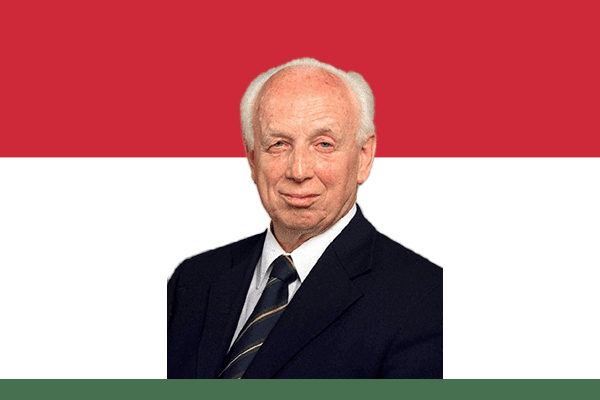
Early Life and Education
Ferenc Mádl was born on January 29, 1931, in Bánd, Hungary. He grew up in a modest family and developed a strong interest in law and academics at an early age. He pursued legal studies at Eötvös Loránd University in Budapest, where he later built his academic career.
He specialized in civil law and international private law. Instead of remaining only a student, he actively engaged in research and teaching. Over time, he became one of Hungary’s most respected legal scholars and contributed to numerous academic publications.
Academic and Professional Career
Mádl established himself as a leading figure in Hungarian legal scholarship. He worked as a professor and mentored many students who later became influential figures in law and politics. He focused on European integration, international law, and comparative legal systems.
He did not limit his work to academia. He actively participated in shaping Hungary’s legal reforms during the transition from communism to democracy. His expertise helped modernize Hungary’s legal framework and align it with European standards.
In the early 1990s, he served as Minister of Culture and Education. In this role, he promoted educational reforms and supported cultural development. He worked to strengthen Hungary’s intellectual and cultural identity during a period of major political change.
Presidency (2000–2005)
In 2000, Hungary elected Ferenc Mádl as President. He approached the presidency with dignity, professionalism, and a strong sense of responsibility. As head of state, he represented national unity and upheld the constitution.
He actively participated in diplomatic engagements and strengthened Hungary’s international relations. During his presidency, Hungary joined the European Union in 2004, marking a historic milestone. Mádl supported this integration and encouraged cooperation with European institutions.
He also emphasized the importance of the rule of law, democratic values, and national identity. Instead of remaining passive, he engaged with citizens and promoted dialogue within Hungarian society.
Personal Life
Ferenc Mádl led a disciplined and intellectual life. He married Dalma Némethy, and together they had a family that supported his career. Despite his high position, he remained humble and focused on his responsibilities.
He valued education, culture, and ethics, which reflected in both his professional and personal life. His calm and thoughtful personality earned him admiration from colleagues and citizens alike.
Contributions and Legacy
Mádl contributed significantly to Hungary’s transition into a modern democratic state. He actively supported legal reforms, educational development, and European integration. His presidency symbolized stability and continuity during a transformative period.
He received numerous national and international honors for his work. Scholars and politicians continue to recognize his influence on Hungary’s legal and political systems.
Instead of seeking personal power, Mádl focused on service, integrity, and intellectual contribution. His leadership style set an example for future generations.
Conclusion
Ferenc Mádl remains an important figure in Hungary’s modern history. Through active leadership and dedication, he helped guide the nation during a crucial phase of transformation. His contributions to law, education, and democracy continue to shape Hungary’s future.