Early Life and Education
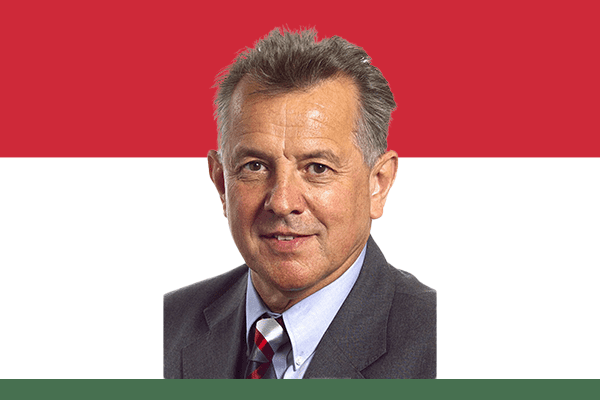
Pál Schmitt was born on May 13, 1942, in Budapest, Hungary. He grew up in a disciplined environment and developed a strong interest in sports from an early age. He pursued his education in economics and international trade, which helped him understand global systems and prepared him for future diplomatic roles.
Alongside academics, he actively trained in fencing and quickly rose through the ranks. His determination and skill made him one of Hungary’s most successful athletes in this sport.
Sporting Career
Schmitt achieved remarkable success as a fencer. He won two Olympic gold medals in team épée events at the 1968 Summer Olympics and the 1972 Summer Olympics. He also secured several world championship titles, strengthening Hungary’s reputation in international fencing.
Rather than limiting himself to competition, he actively contributed to sports administration. He later became involved in the Olympic movement and held influential roles, including serving as a member of the International Olympic Committee. Through these efforts, he promoted sports development and international cooperation.
Diplomatic and Political Career
After retiring from professional sports, Schmitt transitioned into diplomacy. He served as Hungary’s ambassador to Spain and Switzerland, where he represented national interests and built international relationships. His diplomatic experience strengthened his leadership skills and broadened his global perspective.
Schmitt then entered domestic politics. As a member of the Hungarian Parliament, he actively participated in legislative activities. In 2010, he was elected President of Hungary, becoming a key national figure. As president, he performed ceremonial duties, signed legislation, and represented Hungary at official events.
Presidency and Leadership
During his presidency, Schmitt emphasized national unity, cultural pride, and international engagement. He actively supported sports, education, and youth initiatives. His background as an Olympian influenced his focus on discipline, teamwork, and excellence.
He maintained a visible public presence and worked closely with government institutions. Although the Hungarian presidency is largely ceremonial, he actively fulfilled his responsibilities and promoted Hungary’s image abroad.
Controversy and Resignation
Despite his achievements, Schmitt’s presidency faced a major challenge. In 2012, allegations emerged that he had plagiarized parts of his doctoral dissertation. Investigations confirmed the claims, and his academic degree was revoked.
Schmitt addressed the issue publicly, but the controversy intensified. As pressure grew, he resigned from the presidency in April 2012. This event significantly impacted his political reputation and marked a turning point in his career.
Later Life and Contributions
After his resignation, Schmitt remained active in public life, particularly in sports and diplomacy. He continued to support Olympic initiatives and international cooperation through sports organizations. His experience and connections allowed him to stay involved in global discussions related to athletics and culture.
While controversy shaped public perception, his earlier contributions to sports and diplomacy continue to hold significance.
Legacy and Significance
Pál Schmitt’s life reflects both achievement and controversy. He actively built a distinguished career as an Olympic champion and diplomat before entering politics. His presidency demonstrated his commitment to public service, but the plagiarism scandal overshadowed many of his accomplishments.
Even so, his impact on Hungarian sports and his role in international organizations remain notable. His story highlights the importance of integrity and accountability in public life.
Conclusion
Pál Schmitt remains a complex figure in Hungarian history. Through active engagement in sports, diplomacy, and politics, he achieved significant success. However, the challenges he faced during his presidency serve as a reminder that leadership requires both achievement and ethical responsibility.