Mr. Karl Renner
In Office: 20 December 1945 – 31 December 1950
Political Party: Social Democratic Party
Home State: Dolní Dunajovice
Lifespan: 1870–1950
Country: Austria
Image credits available here.
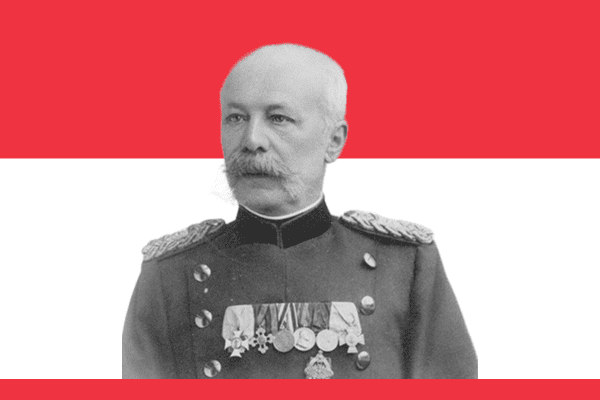
Early Life and Education
Karl Renner was born on December 14, 1870, in Unter-Tannowitz, a village in Moravia (now part of the Czech Republic). He grew up in a modest farming family, but he pursued education with determination. He studied law at the University of Vienna, where he developed a strong interest in politics and social issues.
During his university years, he joined the Social Democratic Workers’ Party. He actively participated in intellectual debates and political movements that aimed to improve the conditions of workers and promote equality. These early experiences shaped his lifelong commitment to social democracy.
Rise in Politics
Renner quickly rose within the Social Democratic movement due to his intelligence and leadership skills. He became a prominent political thinker and advocate for workers’ rights. He did not remain passive in political discussions; instead, he contributed actively to policy development and party organization.
After the collapse of the Austro-Hungarian Empire in 1918, Renner took a leading role in forming the new Austrian Republic. He served as the first Chancellor of Austria from 1918 to 1920. In this position, he led negotiations and helped establish the foundations of a democratic state.
Role in the First Austrian Republic
As Chancellor, Karl Renner worked to stabilize Austria during a time of economic hardship and political uncertainty. He actively promoted peace and cooperation, especially during the negotiations of the Treaty of Saint-Germain in 1919. Although the treaty imposed harsh conditions on Austria, Renner accepted it as necessary for international recognition.
He focused on building democratic institutions and ensuring political participation. Rather than allowing instability to dominate, he guided Austria through its early republican years with determination.
Challenges and Later Career
The interwar period brought political tensions and economic difficulties. Renner continued to engage in politics, although authoritarian regimes later limited democratic processes in Austria. Despite these challenges, he did not abandon his political ideals.
During World War II, Austria was annexed by Nazi Germany. Renner remained in Austria and avoided active collaboration, but his position during this time has been debated by historians.
Rebuilding Austria After World War II
After World War II ended in 1945, Karl Renner took immediate action to rebuild Austria. He became the first Chancellor of the re-established republic and later served as its first President from 1945 to 1950. He worked with Allied powers and Austrian political leaders to restore democratic governance.
Renner actively promoted unity among political parties and encouraged cooperation to rebuild the nation. His leadership helped Austria regain stability and sovereignty after the devastation of war.
Legacy and Significance
Karl Renner left a lasting impact on Austrian history. He played a crucial role in both the creation of the First Austrian Republic and the re-establishment of Austria after World War II. His commitment to democracy and social justice influenced generations of political leaders.
Rather than remaining a passive observer, Renner consistently took initiative during critical moments in history. His efforts ensured that Austria developed into a stable and democratic nation.
Conclusion
Karl Renner stands as one of Austria’s most important political leaders. Through active leadership and dedication, he guided his country through some of its most challenging periods. His legacy continues to shape Austria’s political identity and democratic values.