Mr. Theodor Körner
In Office: 21 June 1951 – 4 January 1957
Political Party: Social Democratic Party
Home State: Dolní Dunajovice
Lifespan: 1873–1957
Country: Austria
Image credits available here.
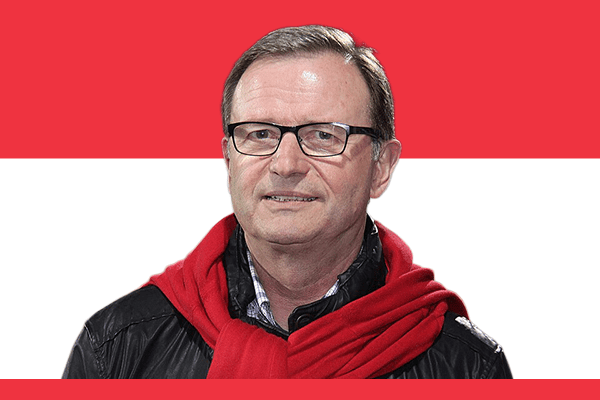
Early Life and Education
Theodor Körner was born on April 24, 1873, in Újszőny, which was then part of the Austro-Hungarian Empire (now in Hungary). He grew up in a modest family and pursued a career in the military. He attended the Theresian Military Academy in Wiener Neustadt, where he developed strong leadership skills.
He served in the Austro-Hungarian Army and gained valuable experience in strategy and administration. During World War I, he worked as a staff officer and contributed to military planning. His military background shaped his disciplined and practical approach to leadership.
Transition to Politics
After World War I, Körner left military service and entered politics. He joined the Social Democratic Party of Austria and became actively involved in public affairs. He served as a member of parliament and later as a city official in Vienna.
Körner took on the role of Mayor of Vienna from 1945 to 1951. During this time, he actively participated in rebuilding the city, which had suffered heavy damage during World War II. He improved public services, restored infrastructure, and supported housing projects for citizens.
Presidency and Leadership
In 1951, Theodor Körner became the President of Austria. He assumed office at a time when Austria remained under Allied occupation. Körner actively worked to secure Austria’s independence and strengthen its democratic system.
He collaborated with political leaders and international powers to negotiate the Austrian State Treaty. His efforts contributed to the successful signing of the treaty in 1955, which restored Austria’s sovereignty and ended foreign occupation. This achievement marked a turning point in Austria’s post-war recovery.
Körner focused on unity and cooperation among political parties. Instead of deepening divisions, he encouraged dialogue and consensus-building. His leadership style emphasized stability and progress.
Contributions and Achievements
Körner played a significant role in Austria’s transformation into a stable and independent nation. He supported economic recovery and social development, helping improve the quality of life for Austrian citizens.
He promoted neutrality as a guiding principle of Austrian foreign policy. Austria adopted permanent neutrality in 1955, which allowed the country to maintain peaceful relations with both Western and Eastern blocs during the Cold War.
He also strengthened Austria’s democratic institutions and encouraged civic participation. His presidency helped build trust in government and foster national unity.
Personal Life and Character
Theodor Körner remained dedicated to public service throughout his life. People admired him for his discipline, integrity, and commitment to the nation. He maintained a simple lifestyle and focused on his responsibilities rather than personal gain.
His military background influenced his leadership style, but he adapted to the needs of a democratic society. He valued cooperation, responsibility, and public welfare.
Legacy and Significance
Theodor Körner left a lasting impact on Austria’s history. He guided the country through a critical period of recovery and helped secure its independence. His efforts in promoting neutrality and democracy continue to shape Austria’s national identity.
He demonstrated that strong leadership, combined with cooperation and vision, can overcome challenging circumstances. His presidency remains an important chapter in Austria’s journey toward stability and prosperity.
Conclusion
Theodor Körner served Austria with dedication and determination. He actively contributed to rebuilding the nation and restoring its sovereignty. His leadership strengthened democratic values and ensured a peaceful future for Austria.