Mr. Rudolf Kirchschläger
In Office: 8 July 1974 – 8 July 1986
Political Party: Social Democratic Party
Home State: Floridsdorf
Lifespan: 1915–2000
Country: Austria
Image credits available here.
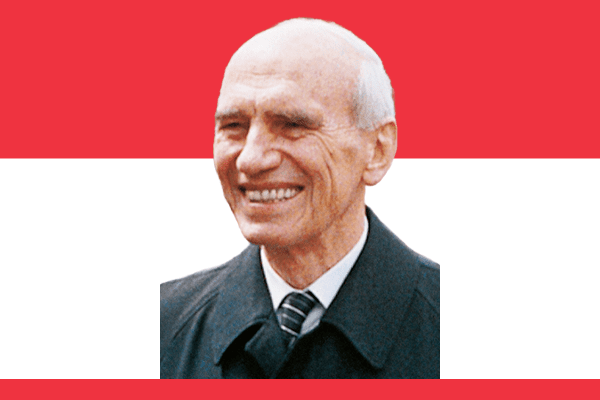
Early Life and Education
Rudolf Kirchschläger was born on March 20, 1915, in Niederkappel, Austria. He grew up in modest circumstances and learned the values of discipline and perseverance early in life. He pursued legal studies at the University of Vienna and developed a strong interest in law and governance.
During World War II, he served in the German army, as Austria had been annexed by Nazi Germany. After the war ended, he actively rebuilt his life and focused on contributing to Austria’s recovery. He worked as a judge and later entered the diplomatic service, where he gained valuable international experience.
Diplomatic Career
Kirchschläger built a distinguished diplomatic career before entering high political office. He served in Austria’s foreign service and held several important posts. He became Austria’s ambassador to Czechoslovakia, where he demonstrated courage and compassion during the Prague Spring of 1968.
Instead of remaining passive, he actively issued visas to many Czech citizens who sought refuge after the Soviet-led invasion. His actions saved lives and earned him widespread respect. This period highlighted his commitment to human rights and humanitarian values.
Presidency (1974–1986)
In 1974, Rudolf Kirchschläger became the President of Austria. Although he ran as an independent candidate, the Social Democratic Party of Austria supported him. He won the election with strong public backing and later secured re-election in 1980 with an overwhelming majority.
As president, Kirchschläger took an active approach to his constitutional role. He engaged directly with the public, traveled across the country, and listened to citizens’ concerns. Rather than acting as a distant figurehead, he promoted transparency and accountability in government.
He used his influence to strengthen Austria’s democratic institutions and uphold the rule of law. He often spoke out on ethical issues and encouraged responsible governance. His presidency became a symbol of honesty and moral authority.
Personal Character and Leadership Style
Rudolf Kirchschläger maintained a simple lifestyle and avoided unnecessary luxury. He valued honesty, discipline, and service above personal gain. His modest background shaped his connection with ordinary citizens, and he remained approachable throughout his life.
He communicated clearly and directly, which made his leadership style effective and relatable. Instead of avoiding difficult topics, he addressed them openly and encouraged constructive dialogue. His moral clarity helped build trust among the Austrian people.
Legacy and Contributions
Kirchschläger left a lasting legacy in Austrian politics. He strengthened the role of the presidency by making it more active and people-oriented. His actions during the Prague Spring and his commitment to human rights continue to inspire leaders worldwide.
He demonstrated that leadership requires courage, empathy, and responsibility. His tenure reinforced democratic values and highlighted the importance of ethical governance. Austrians continue to remember him as a president who truly served the people.
Conclusion
Rudolf Kirchschläger remains an important figure in Austria’s history. Through active leadership and principled decisions, he transformed the presidency into a more meaningful institution. His life and career reflect a deep commitment to justice, humanity, and public service.