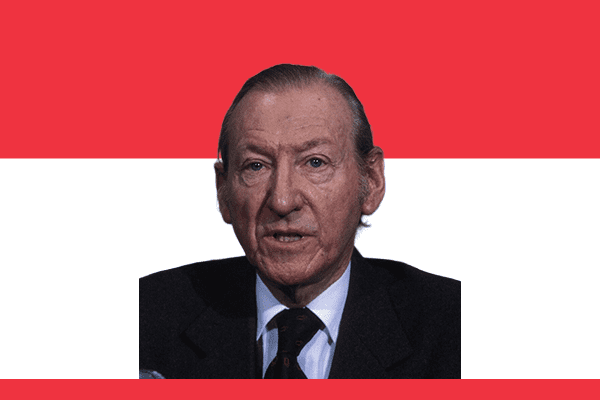
Early Life and Education
Kurt Waldheim was born on December 21, 1918, in Sankt Andrä-Wördern, Austria. He grew up in a middle-class family, and his father worked as a school inspector. Waldheim pursued higher education at the University of Vienna, where he studied law and diplomacy. He developed an early interest in international relations and aimed to serve his country in global affairs.
During World War II, Waldheim served in the German Army. This period later became a source of controversy, as questions arose regarding his activities and knowledge of wartime events. Despite these issues, he continued his academic and professional development after the war.
Diplomatic Career
After World War II, Waldheim actively entered Austria’s diplomatic service. He held various positions, including serving as Austria’s ambassador to Canada and later as the country’s permanent representative to the United Nations. Through these roles, he gained extensive experience in international diplomacy.
He also served as Austria’s Foreign Minister from 1968 to 1970. During this time, he worked to strengthen Austria’s neutrality and international presence. His diplomatic skills and experience prepared him for greater responsibilities on the global stage.
Secretary-General of the United Nations
In 1972, Kurt Waldheim assumed office as the fourth Secretary-General of the United Nations. He served two terms until 1981. During his tenure, he actively addressed global conflicts and promoted peacekeeping efforts. He worked on issues such as the Middle East conflict, the Cyprus crisis, and tensions between major world powers.
Waldheim traveled extensively and met with world leaders to encourage dialogue and cooperation. He focused on maintaining neutrality and strengthening the role of the United Nations in resolving disputes. Although he faced challenges, he remained committed to diplomacy and international stability.
Presidency of Austria
In 1986, Waldheim became the President of Austria. His election sparked international controversy due to revelations about his wartime past. Critics accused him of concealing details about his military service during World War II.
Despite the criticism, he served as president until 1992. During his presidency, several countries limited diplomatic engagement with Austria due to concerns about his past. Nevertheless, Waldheim continued to perform his official duties and represented Austria domestically.
Controversies and Criticism
The most significant challenge in Waldheim’s career arose from allegations about his involvement in wartime activities. Investigations examined his role in the German Army, particularly in the Balkans. While he denied wrongdoing, critics argued that he had not fully disclosed his past.
The controversy affected his international reputation and overshadowed many of his achievements. However, Waldheim maintained his innocence and insisted that he had fulfilled his duties without participating in war crimes.
Legacy and Impact
Kurt Waldheim left a lasting impact on international diplomacy. As Secretary-General of the United Nations, he actively contributed to peacekeeping and conflict resolution. His leadership reflected the challenges of navigating global tensions during the Cold War.
At the same time, the controversies surrounding his past remain a significant part of his legacy. Historians continue to debate his role and responsibility during World War II. His life highlights the importance of transparency and accountability in public service.
Conclusion
Kurt Waldheim’s life combined diplomatic achievement with political controversy. He actively served in high international offices and influenced global affairs, yet questions about his past shaped public perception of his career. His story remains an important chapter in both Austrian and international history.