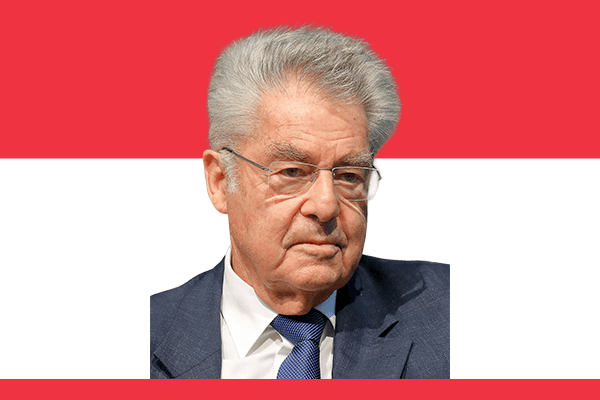
Early Life and Education
Heinz Fischer was born on October 9, 1938, in Graz, Austria. He spent much of his early life in Vienna, where he received his education. He studied law at the University of Vienna and earned a doctorate in jurisprudence. His academic background strongly influenced his political thinking, especially his deep respect for constitutional law and democratic systems.
Instead of remaining confined to academia, Fischer actively entered politics at a young age. He joined the Social Democratic Party of Austria (SPÖ), where he quickly gained recognition for his intellectual abilities and dedication to public service.
Political Career
Heinz Fischer built a long and distinguished political career before becoming president. He served as a member of the Austrian National Council for several decades. During this time, he did not merely hold positions; he actively contributed to legislative processes and policy discussions.
From 1990 to 2002, Fischer served as President of the National Council, the lower house of the Austrian Parliament. In this role, he guided parliamentary debates and ensured that democratic procedures were followed. His leadership style reflected fairness, patience, and respect for differing viewpoints.
Presidency (2004–2016)
In 2004, Heinz Fischer became the Federal President of Austria. He won the election with broad public support, and he secured re-election in 2010. As president, he actively represented Austria both at home and abroad.
Although the Austrian presidency is largely ceremonial, Fischer did not remain passive. He actively upheld the constitution, appointed governments, and encouraged political stability. During times of political tension, he promoted dialogue instead of conflict.
He also represented Austria internationally by strengthening diplomatic relations and promoting peace. Through state visits and meetings with global leaders, he reinforced Austria’s role as a neutral and cooperative nation.
Leadership Style and Contributions
Heinz Fischer’s leadership style emphasized integrity, neutrality, and responsibility. Rather than seeking personal power, he focused on serving the public and protecting democratic institutions. He actively supported human rights, social justice, and European cooperation.
He consistently encouraged political leaders to work together for the benefit of the country. His speeches often highlighted unity, respect, and the importance of democratic participation. Instead of creating division, he worked to bring people together.
Personal Life
Heinz Fischer married Margit Fischer, and together they built a strong and supportive family life. Despite his high political position, he maintained a modest lifestyle and stayed connected to ordinary citizens.
He enjoyed reading, history, and cultural activities, which reflected his intellectual personality. His approachable nature made him a widely respected figure among the Austrian people.
Legacy and Significance
Heinz Fischer left a lasting legacy as a stable and trustworthy leader. He guided Austria through more than a decade of political and economic changes while maintaining public confidence in democratic institutions.
Rather than dominating politics, he actively supported constitutional balance and cooperation. His presidency demonstrated how leadership can be effective without being authoritarian.
Conclusion
Heinz Fischer remains an important figure in Austrian political history. Through active engagement, thoughtful leadership, and unwavering commitment to democracy, he strengthened Austria’s political system. His legacy continues to serve as an example of responsible and dignified leadership.