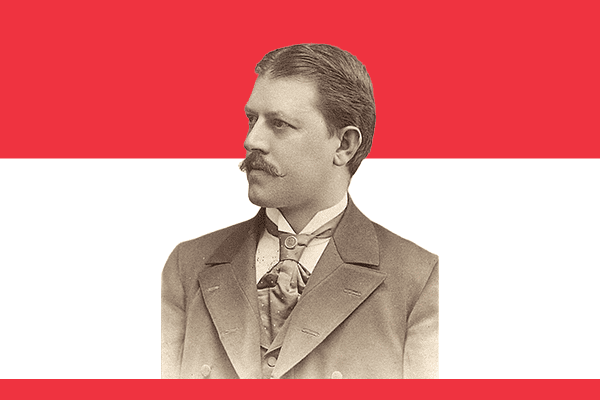
Early Life and Education
Michael Mayr was born on April 10, 1864, in Adlwang, Upper Austria. He grew up in a modest family and developed a strong interest in education and politics from an early age. Mayr studied law and history at the University of Vienna, where he gained knowledge that later helped him in public service.
After completing his studies, he worked as a teacher and historian. He earned respect for his academic work and became well known for his understanding of Austrian history and political systems. His educational background gave him the ability to analyze national problems and search for practical solutions.
Entry into Politics
Michael Mayr entered politics through the Christian Social Party, one of Austria’s leading political groups during the early twentieth century. He focused on public administration, education, and social reform. His calm personality and intellectual approach helped him gain trust among political leaders.
As Austria-Hungary collapsed after World War I, the country experienced major political and economic difficulties. Inflation increased, unemployment spread, and many citizens struggled with poverty. During this unstable period, Mayr became more active in government affairs and supported efforts to strengthen the new Austrian republic.
Chancellor of Austria
In 1920, Michael Mayr became Chancellor of Austria. He succeeded Karl Renner and took leadership during a sensitive time in Austrian history. His government faced serious economic problems, including rising debt and financial instability.
Mayr focused on improving Austria’s administrative system and restoring public confidence in the government. He encouraged cooperation among political groups and attempted to reduce tensions within society. Instead of using aggressive political methods, he relied on negotiation and careful decision-making.
One of his key responsibilities involved managing Austria’s relationship with neighboring countries after the breakup of the Austro-Hungarian Empire. He worked to protect Austrian interests while maintaining diplomatic stability in Europe.
Leadership Style and Contributions
Michael Mayr led with discipline, intelligence, and moderation. He preferred peaceful political dialogue and respected democratic institutions. His leadership style reflected patience and responsibility rather than personal ambition.
During his time in office, he supported constitutional reforms that strengthened Austria’s republican government. He also worked to modernize state administration and improve cooperation between federal authorities and regional governments.
Although economic challenges limited his achievements, Mayr continued to search for solutions that could stabilize the nation. His efforts helped Austria maintain political order during a period of uncertainty.
Resignation and Later Life
Michael Mayr resigned as Chancellor in 1921 after political disagreements within the government. Even after leaving office, he remained active in public service and continued contributing to Austrian political and intellectual life.
He later served in diplomatic and administrative positions, where he used his experience to support national development. Mayr also continued writing and participating in academic discussions about Austrian history and governance.
Michael Mayr passed away on February 21, 1927. Historians remember him as a thoughtful leader who served Austria with dedication during one of its most challenging periods.
Legacy
Michael Mayr’s legacy lies in his commitment to democracy, stability, and responsible leadership. He guided Austria during the difficult years following World War I and helped strengthen the foundations of the Austrian republic.
Although he did not rule for a long time, his balanced leadership and intellectual contributions earned respect in Austrian history. His work demonstrated how careful governance and cooperation can help a nation recover during times of crisis.
Conclusion
Michael Mayr played an important role in Austria’s early republican history. Through active leadership, political moderation, and dedication to public service, he helped Austria face economic and political challenges after World War I. His legacy continues to reflect responsibility, wisdom, and commitment to democratic values.