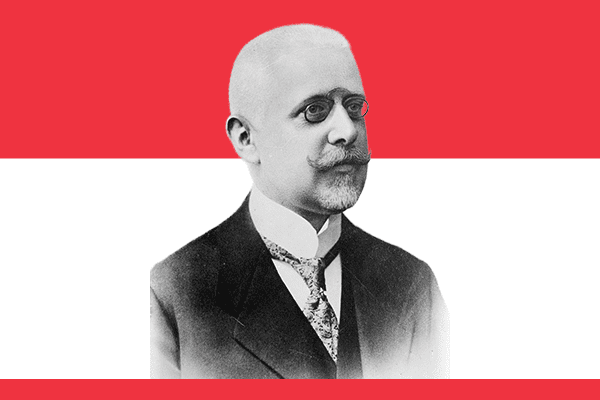
Early Life and Education
Johannes Schober was born on November 14, 1874, in Perg, Austria. He grew up in a disciplined environment and showed strong interest in public administration from an early age. After completing his education, he joined the police service and quickly earned recognition for his intelligence and leadership abilities.
Schober studied law and administration, which helped him develop a deep understanding of government operations. Instead of limiting himself to routine duties, he actively pursued reforms and improvements within the police system. His dedication and efficiency eventually led him to senior positions in Austrian law enforcement.
Rise in Public Service
Johannes Schober built his reputation through hard work and professionalism. During the years following World War I, Austria struggled with political instability, economic hardship, and social unrest. Schober took an active role in restoring order and maintaining security.
As Vienna’s police president, he modernized the police force and introduced stronger administrative systems. He handled difficult situations with determination and gained respect from political leaders across different parties. His success in public administration encouraged Austrian leaders to trust him with greater national responsibilities.
Chancellor of Austria
In 1921, Johannes Schober became Chancellor of Austria for the first time. At that time, Austria faced enormous economic problems and political divisions. Schober actively sought practical solutions instead of promoting extreme political ideologies.
He focused on improving Austria’s international relations and strengthening economic cooperation with neighboring countries. One of his most significant achievements involved negotiating diplomatic agreements that increased Austria’s influence in Europe.
Schober served multiple terms as chancellor during the 1920s. Throughout his leadership, he promoted stability and attempted to balance the interests of different political groups. Although conflicts between conservatives and socialists continued, he encouraged dialogue and cooperation whenever possible.
Diplomatic Achievements
Johannes Schober believed diplomacy could secure Austria’s future. He worked closely with European leaders and represented Austria in international discussions. He actively promoted peaceful cooperation and economic partnerships.
One of his important contributions involved improving Austria’s relationship with Germany and other European nations. Through negotiations and diplomatic initiatives, Schober helped Austria regain confidence after the difficulties of World War I.
He also supported Austria’s participation in the League of Nations, believing international cooperation would strengthen peace and economic recovery. His diplomatic approach earned him recognition both inside and outside Austria.
Leadership Style and Political Influence
Schober led with discipline, practicality, and administrative skill. Rather than using emotional speeches or radical political ideas, he focused on organization and effective governance. Many people admired his calm and professional approach during periods of uncertainty.
Although he did not belong strongly to one political ideology, he worked with different political groups to achieve national stability. His ability to cooperate with various factions made him an important figure in Austrian politics during the interwar years.
Schober’s leadership reflected his background in law enforcement and administration. He believed strong institutions and effective government could protect democracy and maintain social order.
Later Years and Death
In his later years, Johannes Schober continued serving Austria in important political and diplomatic roles. However, the growing political tensions in Europe created increasing difficulties for moderate leaders like him.
On August 19, 1932, Schober died unexpectedly in Vienna at the age of 57. His death marked the end of a significant political career during a turbulent period in Austrian history.
Legacy
Johannes Schober left a lasting impact on Austria through his administrative reforms, diplomatic efforts, and commitment to stability. Historians remember him as a skilled statesman who guided Austria through challenging times with professionalism and determination.
Instead of seeking personal power, Schober focused on strengthening government institutions and improving Austria’s international position. His balanced leadership style and dedication to public service continue to attract historical interest today.