Early Life and Education
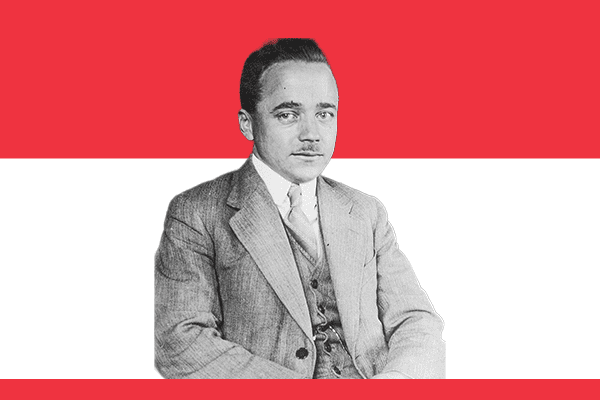
Engelbert Dollfuss was born on October 4, 1892, in Texing, Austria. He came from a humble farming family and developed a strong work ethic during his childhood. Despite financial difficulties, he pursued education with determination and attended the University of Vienna, where he studied law and political science.
During World War I, Dollfuss served in the Austro-Hungarian Army. His military experience strengthened his nationalist beliefs and shaped his political ideas. After the war, he became involved in agricultural organizations and gained recognition for supporting farmers and rural communities.
Rise in Politics
Dollfuss entered politics through the Christian Social Party, a conservative political organization in Austria. His intelligence, discipline, and leadership abilities quickly attracted attention. He served as Minister of Agriculture in 1931 and focused on improving economic conditions for farmers during the Great Depression.
In 1932, political leaders appointed him Chancellor of Austria. At the time, Austria faced severe economic problems, political instability, and growing pressure from extremist groups. Dollfuss took decisive action to strengthen the government and maintain national independence.
Leadership as Chancellor
As Chancellor, Dollfuss aimed to create a stable and united Austria. He believed that strong leadership could protect the country from political chaos. Instead of allowing parliamentary conflicts to continue, he dissolved parliament in 1933 and began ruling through emergency powers.
Dollfuss established an authoritarian government based on conservative and nationalist principles. He banned the Austrian Nazi Party because he feared Adolf Hitler’s growing influence in neighboring Germany. He also restricted communist and socialist organizations, arguing that they threatened Austria’s stability.
Although critics accused him of limiting democracy, Dollfuss believed his policies would preserve Austrian independence. He created the “Fatherland Front,” a political movement designed to unite Austrians under one national identity.
Conflict with Nazi Germany
One of Dollfuss’s biggest challenges came from Nazi Germany. Adolf Hitler wanted Austria to unite with Germany, but Dollfuss strongly opposed this idea. He defended Austrian sovereignty and resisted Nazi pressure.
Tensions between Austrian Nazis and Dollfuss’s government increased rapidly. Nazi supporters organized protests, acts of violence, and political conspiracies inside Austria. Dollfuss responded firmly by arresting Nazi activists and strengthening security measures.
Italy’s leader, Benito Mussolini, supported Dollfuss during this period because he also wanted Austria to remain independent from Germany. This alliance temporarily protected Austria from direct German control.
Assassination and Death
On July 25, 1934, Austrian Nazis launched a coup attempt against Dollfuss’s government. During the attack, Nazi conspirators entered the Chancellery building in Vienna and shot Dollfuss. He died from his injuries later that day at the age of 41.
The coup ultimately failed because government forces remained loyal to Austria’s leadership. However, Dollfuss’s death shocked the nation and created political uncertainty. His assassination marked one of the most dramatic moments in Austrian history.
Legacy and Historical Importance
Engelbert Dollfuss remains a controversial figure in European history. Supporters praise him for defending Austria’s independence against Nazi Germany, while critics condemn his authoritarian rule and restrictions on democracy.
Historians continue to debate his leadership style and political decisions. Nevertheless, his resistance to Hitler demonstrated courage during a dangerous period in Europe. His actions delayed Nazi control over Austria for several years.
Dollfuss’s legacy reflects the challenges that many European leaders faced during the rise of extremism in the 1930s. His life and career continue to attract attention from historians and political scholars worldwide.