Early Life and Education
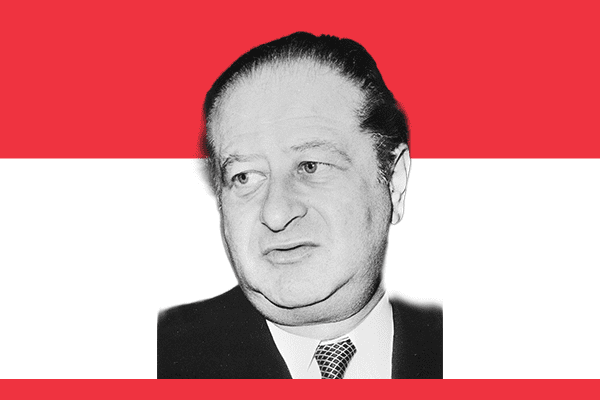
Bruno Kreisky was born on January 22, 1911, in Vienna, Austria, into a Jewish family. He grew up in a politically active environment and developed an early interest in social democracy and political affairs. During his youth, he joined socialist organizations and became deeply involved in political activism.
He studied law at the University of Vienna and gained valuable knowledge about government and public administration. However, political tensions in Austria affected his education and personal life. Authorities arrested him in 1935 because of his political activities against the authoritarian regime. After his release, he continued supporting democratic ideals.
When Nazi Germany annexed Austria in 1938, Kreisky fled to Sweden to escape persecution. During his exile, he remained politically active and built strong international connections. His years in Sweden shaped his political thinking and strengthened his belief in democracy, equality, and social justice.
Political Career
After World War II, Bruno Kreisky returned to Austria and resumed his political career. He joined the Social Democratic Party of Austria and quickly rose through the political ranks because of his intelligence and communication skills.
In the 1950s and 1960s, he served in several important government positions, including Foreign Minister of Austria. As foreign minister, he improved Austria’s diplomatic relations and reinforced the country’s neutral position during the Cold War. He also promoted peaceful dialogue between nations.
In 1970, Kreisky became Chancellor of Austria. Under his leadership, the Social Democratic Party achieved major electoral success. He remained chancellor for thirteen years, making him one of Austria’s longest-serving leaders.
Domestic Reforms and Achievements
Bruno Kreisky introduced many reforms that modernized Austrian society. He expanded education opportunities, improved healthcare services, and strengthened workers’ rights. His government increased social welfare programs and invested heavily in public infrastructure.
He believed education could create equality and economic progress. Therefore, his administration reduced barriers to higher education and supported students from working-class families. Many Austrians benefited from these reforms, which improved living standards across the country.
Kreisky also promoted women’s rights and encouraged greater participation in public life. He modernized family laws and supported policies that reflected changing social values. His reforms helped Austria become a more progressive and inclusive society.
International Influence
As chancellor, Bruno Kreisky gained international respect for his diplomatic efforts. He actively promoted peace, dialogue, and cooperation among nations. Austria became an important meeting place for international discussions during his leadership.
Kreisky supported Middle East peace efforts and maintained relationships with leaders from different political backgrounds. His diplomatic approach strengthened Austria’s global influence despite the country’s relatively small size.
He also defended human rights and encouraged peaceful conflict resolution. Many world leaders recognized his ability to negotiate and communicate effectively during tense international situations.
Leadership Style and Legacy
Bruno Kreisky combined charisma, intelligence, and political skill in his leadership. He communicated clearly with the public and connected with ordinary citizens. His speeches often reflected optimism and confidence about Austria’s future.
Although critics challenged some of his decisions, many Austrians admired his dedication to social reform and democratic values. He transformed Austria into a stable and modern European nation.
Today, historians consider Kreisky one of Austria’s greatest political leaders. His reforms shaped Austrian society for decades, and his diplomatic achievements enhanced the country’s international reputation.
Conclusion
Bruno Kreisky left a lasting impact on Austria through his progressive reforms, strong leadership, and international diplomacy. He modernized the nation, improved social welfare, and strengthened democratic values. His vision and dedication continue to influence Austrian politics and society today. As a respected statesman and reformer, Kreisky remains an important figure in European political history.