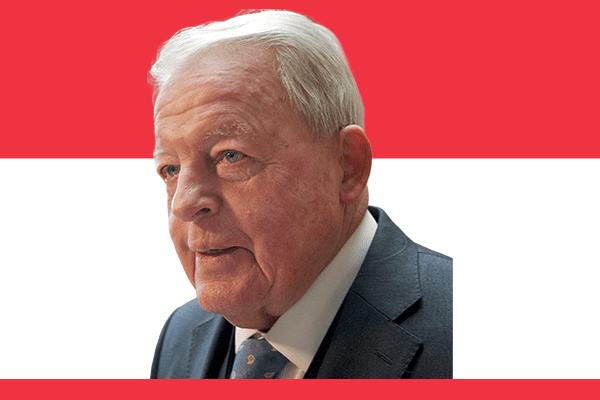
Early Life and Education
Franz Vranitzky was born on October 4, 1937, in Vienna, Austria. He grew up in a working-class family and developed a strong understanding of social and economic challenges from an early age. He pursued higher education at the University of Economics and Business in Vienna, where he studied commerce and economics.
After completing his education, Vranitzky built a successful career in banking and finance. He worked in several financial institutions and gained valuable experience in economic management. His expertise in finance later became one of his greatest strengths in politics.
Entry into Politics
Franz Vranitzky joined the Social Democratic Party of Austria (SPÖ) and quickly established himself as a capable leader. His economic knowledge and communication skills helped him gain respect within political circles. In the early 1980s, he served as Austria’s Minister of Finance, where he focused on economic stability and fiscal reforms.
In 1986, he became Chancellor of Austria after Fred Sinowatz resigned from office. Vranitzky immediately faced political challenges, including tensions within Austria’s coalition government and debates surrounding the country’s international image. Despite these obstacles, he demonstrated calm leadership and practical decision-making.
Leadership as Chancellor
As Chancellor, Franz Vranitzky prioritized economic growth, political stability, and European integration. He introduced reforms that strengthened Austria’s economy and improved public administration. Under his leadership, Austria maintained steady economic development and expanded its international partnerships.
One of his most important achievements was leading Austria toward membership in the European Union. Vranitzky strongly believed that Austria should actively participate in European cooperation and benefit from economic integration. His government worked closely with European leaders, and Austria officially joined the European Union in 1995.
Vranitzky also promoted social policies that supported education, healthcare, and workers’ rights. He encouraged dialogue between political groups and maintained a balanced approach to governance. Instead of creating division, he focused on consensus and cooperation.
Commitment to Historical Responsibility
Franz Vranitzky became widely respected for addressing Austria’s role during World War II. In the early 1990s, he openly acknowledged Austria’s responsibility for crimes committed during the Nazi era. This marked a major shift in Austrian political discourse and demonstrated his commitment to honesty and historical accountability.
His speeches on this subject received international praise because he encouraged Austria to confront its past responsibly. By taking this approach, he strengthened Austria’s reputation as a democratic and self-aware nation.
International Influence
During his years as Chancellor, Vranitzky built strong diplomatic relationships with leaders across Europe and beyond. He supported peace, human rights, and international cooperation. His leadership style combined professionalism with diplomacy, which made him an influential figure in European politics.
He also represented Austria in important international meetings and promoted the country as a reliable and neutral partner in global affairs. His efforts enhanced Austria’s standing within the international community.
Legacy and Retirement
Franz Vranitzky stepped down as Chancellor in 1997 after more than a decade in office. Even after leaving politics, he remained active in public life through lectures, advisory roles, and international organizations. Many Austrians continue to remember him as a leader who modernized the country and strengthened democratic values.
His legacy includes Austria’s successful entry into the European Union, economic modernization, and a more open discussion of historical responsibility. He demonstrated that leadership requires honesty, cooperation, and long-term vision.
Conclusion
Franz Vranitzky played a crucial role in shaping modern Austria. Through active leadership and progressive policies, he guided the country during a period of important transformation. His dedication to democracy, European unity, and historical responsibility continues to inspire political leaders today.