BELARUS
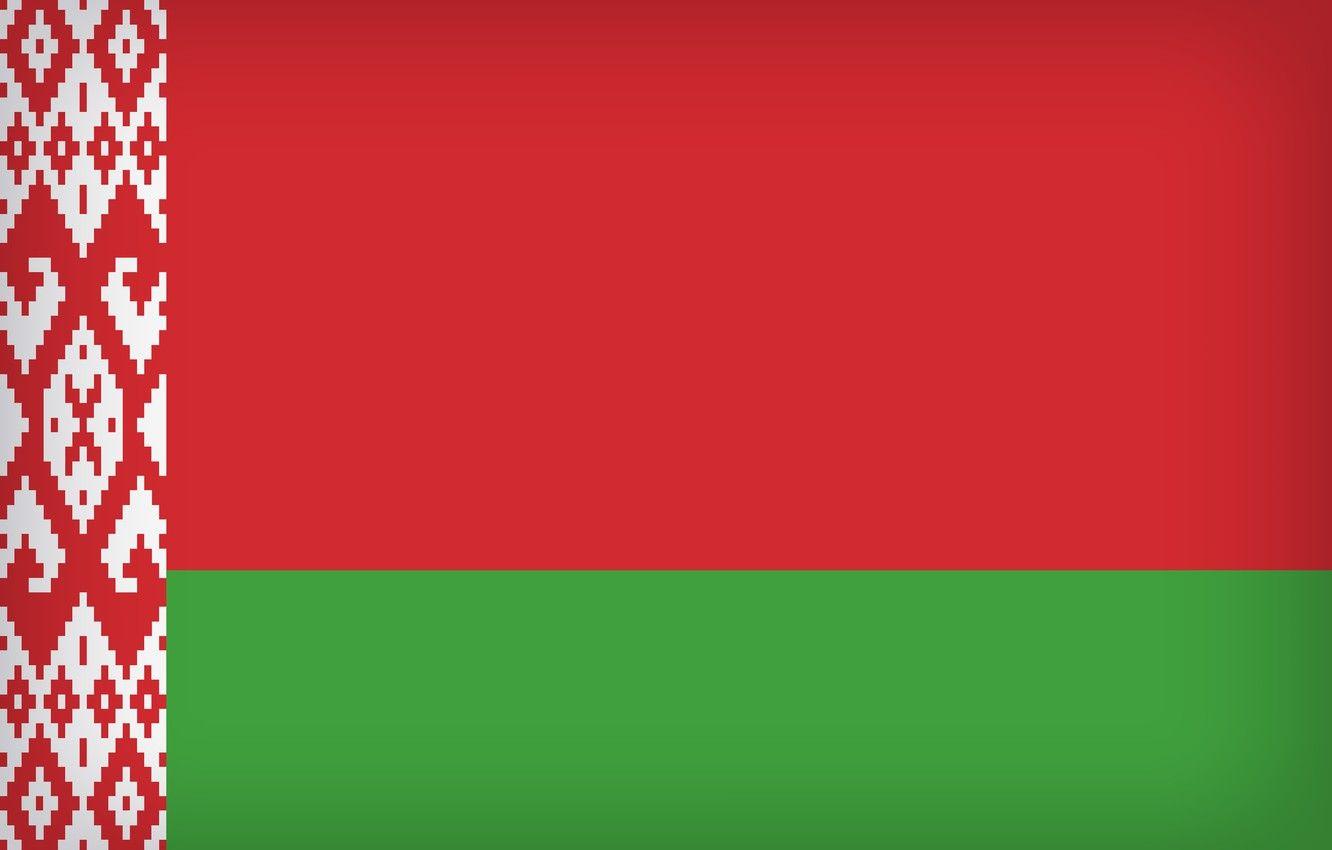
Belarus flag
The flag of Belarus features two horizontal stripes: red on the top and green on the bottom. A traditional red-and-white ornamental pattern appears along the left side. The red color symbolizes the nation’s historic struggles and bravery, while green represents forests, agriculture, and hope for the future. Officially adopted in 1995, the design is based on the earlier Soviet-era flag with some modifications. The Belarus flag reflects national heritage, cultural traditions, and the country’s connection to its history and natural environment.
Belarus
Belarus is a landlocked country located in Eastern Europe. It shares borders with Russia, Ukraine, Poland, Lithuania, and Latvia. The capital and largest city of Belarus is Minsk, which serves as the political, economic, and cultural center of the country. Belarus covers an area of about 207,600 square kilometers and has a population of around 9 million people. The country is known for its vast forests, clean cities, and rich cultural traditions.
History of Belarus
The history of Belarus dates back many centuries. During the medieval period, the territory was part of the Principality of Polotsk and later became part of the Grand Duchy of Lithuania. In the 18th century, Belarusian lands were absorbed into the Russian Empire after the partitions of Poland.
After the Russian Revolution, Belarus became one of the founding republics of the Soviet Union in 1922. During World War II, the country suffered massive destruction and loss of life due to Nazi occupation. Many cities and villages were destroyed, and millions of people died during the war. After the war, Belarus was rebuilt as an industrial center of the Soviet Union.
Belarus declared independence in 1991 after the collapse of the Soviet Union. Since then, the country has developed its own political and economic system.
Geography and Climate
Belarus has mostly flat land with forests, rivers, and lakes spread across the country. Nearly 40 percent of the land is covered by forests, making it one of the greenest countries in Europe. Important rivers include the Dnieper, Neman, and Pripyat.
The climate of moderate continental. Winters are cold and snowy, while summers are mild and pleasant. Agriculture plays an important role in the economy because of the fertile soil and suitable weather conditions.
Economy and Culture
The economy of Belarus is based on manufacturing, agriculture, and services. Major industries include machinery, tractors, chemicals, and food products. The country is also known for producing trucks and heavy industrial equipment.
A rich cultural heritage that includes traditional music, dance, literature, and art. The Belarusian and Russian languages are widely spoken. Folk festivals and national celebrations remain an important part of daily life.
Education and healthcare systems are well developed, and literacy rates are very high. Sports such as ice hockey, football, and athletics are popular among the people.
Conclusion
Belarus is a country with a long history, beautiful natural landscapes, and strong cultural traditions. Despite political and economic challenges, it continues to maintain its identity and importance in Eastern Europe. The nation’s historical heritage, industrial development, and cultural richness make Belarus an interesting and unique country.