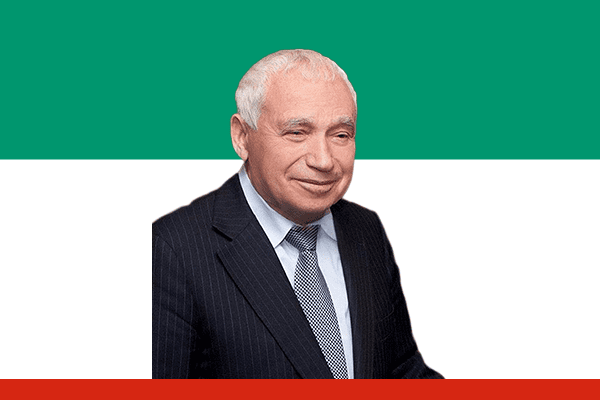
Early Life and Education
Zhelyu Zhelev was born on March 3, 1935, in the village of Veselinovo, Bulgaria. He grew up in a modest rural family and developed a strong interest in philosophy and politics during his youth. He later attended Sofia University, where he studied philosophy and graduated successfully.
After completing his education, Zhelev worked as a researcher and lecturer. His academic career reflected his independent thinking and critical approach to political ideology. Unlike many intellectuals of his time, he openly questioned authoritarian rule and defended freedom of thought.
Opposition to Communist Rule
During the communist era in Bulgaria, Zhelyu Zhelev became one of the country’s most important dissidents. He criticized the communist government and challenged its political system through his writings and speeches. His famous book, Fascism, analyzed totalitarian systems and indirectly criticized communist leadership in Eastern Europe.
The Bulgarian authorities banned the book soon after publication because they considered it politically dangerous. Despite government pressure, Zhelev continued to advocate for democracy, human rights, and political reform. His courage inspired many Bulgarians who wanted change.
In the late 1980s, as communist governments across Eastern Europe began collapsing, Zhelev joined democratic opposition movements in Bulgaria. He became a founding member of the Union of Democratic Forces (UDF), a coalition that united groups seeking democratic reforms.
Rise to the Presidency
Following the fall of communist leader Todor Zhivkov in 1989, Bulgaria entered a period of political transition. Zhelyu Zhelev quickly emerged as a leading democratic figure. In 1990, the Bulgarian Parliament elected him president, making him the country’s first non-communist head of state in decades.
In 1992, Bulgarian citizens directly elected him as president in the nation’s first democratic presidential election. His victory symbolized Bulgaria’s commitment to democracy and political freedom.
As president, Zhelev worked actively to strengthen democratic institutions and encourage political stability. He supported free elections, freedom of speech, and economic reforms that aimed to modernize Bulgaria’s economy.
Leadership and Democratic Reforms
Zhelev guided Bulgaria through difficult economic and political challenges during the early years of democracy. The country faced inflation, unemployment, and social uncertainty after the collapse of the communist system. Despite these difficulties, he remained committed to democratic governance.
He encouraged dialogue between political parties and promoted peaceful reforms instead of confrontation. Internationally, he improved Bulgaria’s relationships with Western countries and supported closer cooperation with European institutions.
Zhelev also defended ethnic tolerance and human rights. He opposed discrimination and encouraged unity among Bulgaria’s diverse communities. His leadership helped Bulgaria build a more open and democratic society.
Later Life and Legacy
After completing his presidency in 1997, Zhelyu Zhelev remained active in public life. He continued promoting democracy, peace, and international cooperation through lectures, conferences, and political discussions.
Many people remember him as a symbol of democratic change in Bulgaria. His courage during the communist era and his leadership during the transition period left a lasting impact on Bulgarian politics.
Zhelyu Zhelev passed away on January 30, 2015, but his contributions to democracy continue to inspire future generations. Historians and political leaders often recognize him as one of the key figures who shaped modern Bulgaria.
Conclusion
Zhelyu Zhelev transformed Bulgaria’s political history through his dedication to democracy and human rights. He challenged authoritarian rule, led democratic reforms, and guided Bulgaria during a historic transition. His leadership, vision, and determination secured his place as one of Bulgaria’s most respected political figures.