BULGARIA
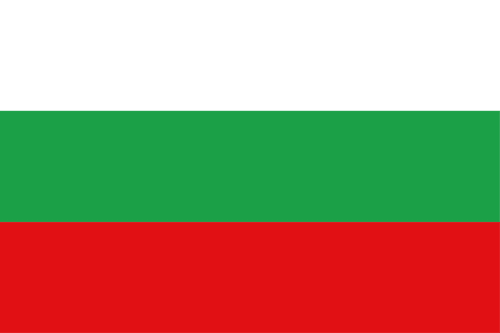
Bulgaria flag
The flag of Bulgaria consists of three horizontal stripes: white at the top, green in the middle, and red at the bottom. The white color symbolizes peace and freedom, green represents the country’s agriculture and natural beauty, while red stands for the courage and blood shed by soldiers during struggles for independence. The current design was officially adopted on November 27, 1990. Bulgaria’s flag is simple yet meaningful and reflects the nation’s history, patriotism, and cultural identity with pride.
Introduction to Bulgaria
Bulgaria is a beautiful country located in Southeastern Europe on the Balkan Peninsula. It is known for its rich history, ancient culture, beautiful mountains, and Black Sea coastline. Bulgaria shares borders with Romania, Serbia, North Macedonia, Greece, Turkey, and the Black Sea. The capital city of Bulgaria is Sofia, which is also the country’s largest city and cultural center.
Geography and Climate
Bulgaria has a diverse landscape that includes mountains, plains, rivers, and beaches. The Balkan Mountains run across the country and play an important role in its geography. The famous Danube River forms part of Bulgaria’s northern border with Romania. Along the eastern side lies the Black Sea coast, which attracts many tourists every year.
The climate of Bulgaria varies by region. Summers are generally warm and sunny, while winters can be cold with snowfall in mountainous areas. This climate supports agriculture and tourism, two important sectors of the Bulgarian economy.
History of Bulgaria
Bulgaria has a long and fascinating history that dates back thousands of years. The First Bulgarian Empire was established in 681 AD, making Bulgaria one of the oldest countries in Europe. During the Middle Ages, Bulgaria became a powerful state with strong cultural and religious influence.
The country later came under Ottoman rule for nearly five centuries. independence in 1908 after years of national struggle. In the 20th century, Bulgaria became a communist state after World War II, but in 1989 it moved toward democracy. Today, Bulgaria is a democratic republic and a member of the European Union and NATO.
Culture and Traditions
Bulgarian culture is rich in music, dance, art, and traditional festivals. Folk music and traditional dances are important parts of Bulgarian heritage. Many people wear colorful traditional clothing during celebrations and cultural events.
Bulgaria is also famous for its yogurt, cheese, and traditional dishes such as banitsa and shopska salad. The Bulgarian language uses the Cyrillic alphabet, which was developed in the medieval Bulgarian Empire and later spread to other Slavic countries.
Economy and Tourism
The economy of Bulgaria is based on industries such as agriculture, manufacturing, tourism, and information technology. The country produces wheat, sunflower seeds, fruits, and vegetables. Tourism is growing because of Bulgaria’s natural beauty, historical sites, and affordable travel opportunities.
Popular tourist destinations include the Rila Monastery, the Black Sea resorts, and the ski resorts in the mountains. Visitors enjoy Bulgaria’s mix of history, nature, and modern life.
Conclusion
Bulgaria is a country with a proud history, rich traditions, and beautiful landscapes. From ancient monuments to modern cities, offers a unique blend of culture and natural beauty. Its importance in European history and its growing economy make it an interesting and valuable nation in the modern world.