PRIME MINISTERS OF BULGARIA
Prime Ministers of Bulgaria
The Prime Minister of Bulgaria is the head of government and one of the most powerful political leaders in the country. Bulgaria follows a parliamentary system, where the Prime Minister leads the Council of Ministers and manages the daily administration of the nation. Since the restoration of democracy in 1990, Bulgaria has seen many political changes, coalition governments, and reforms aimed at strengthening the economy and joining European institutions. Bulgarian Prime Ministers have played an important role in guiding the country through political transformation, economic development, and international cooperation.
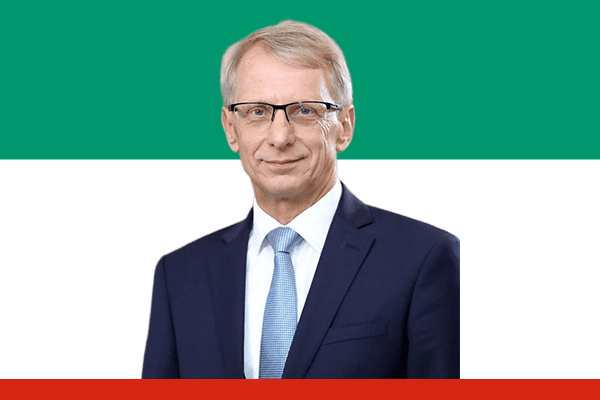
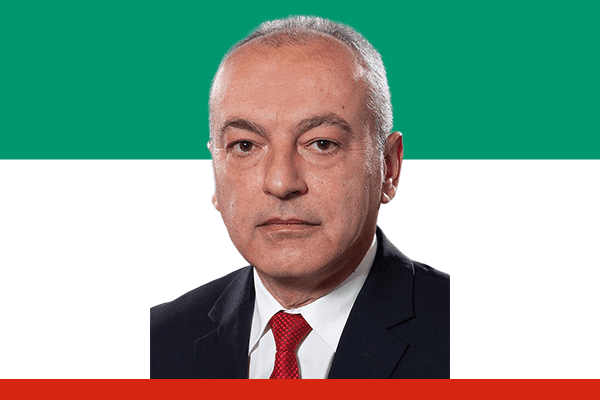
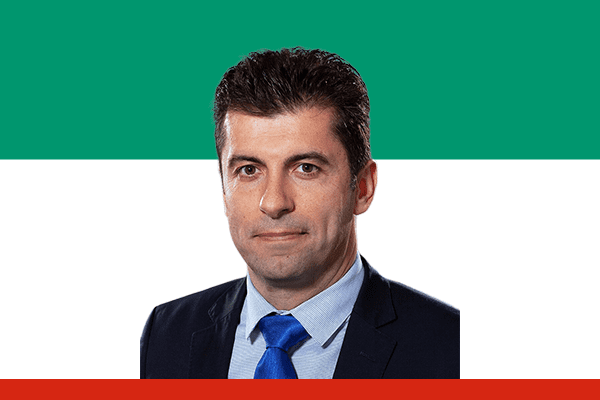
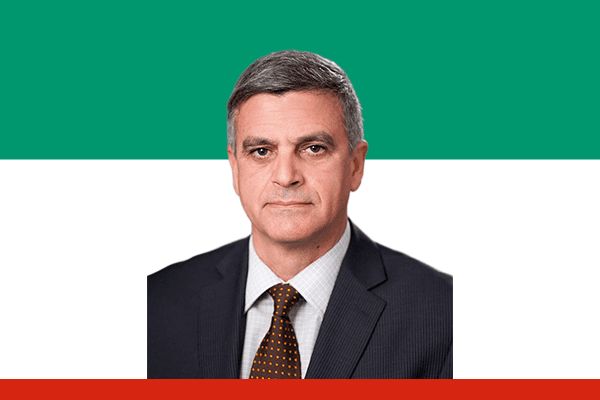
LIST OF PRIME MINISTERS OF BULGARIA
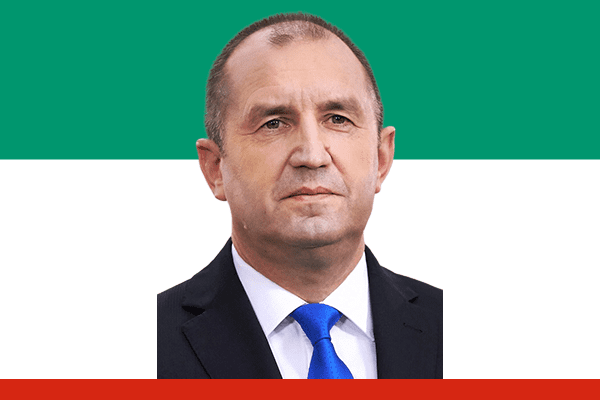
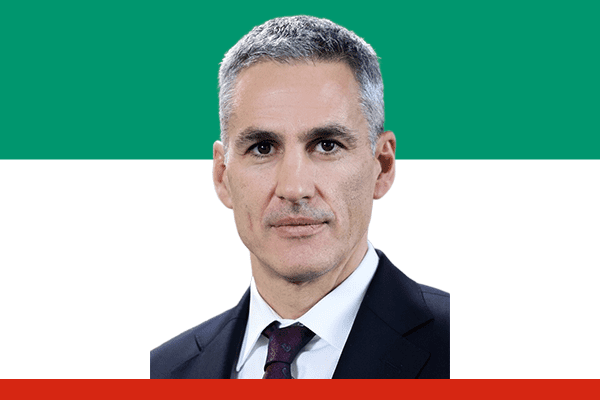
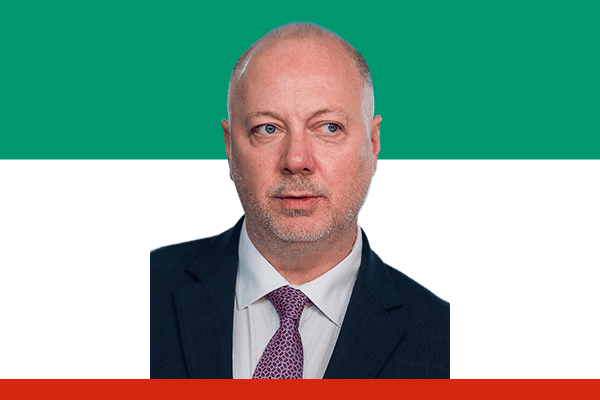
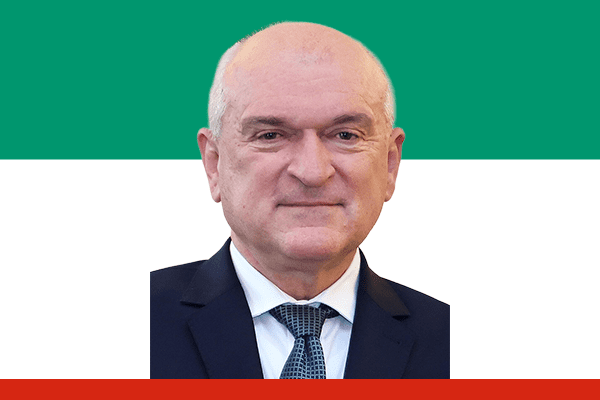
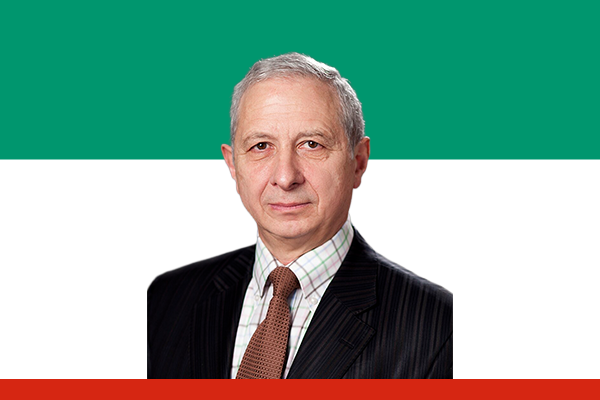
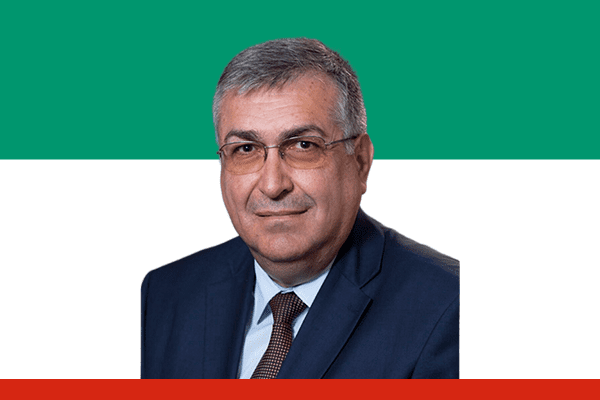
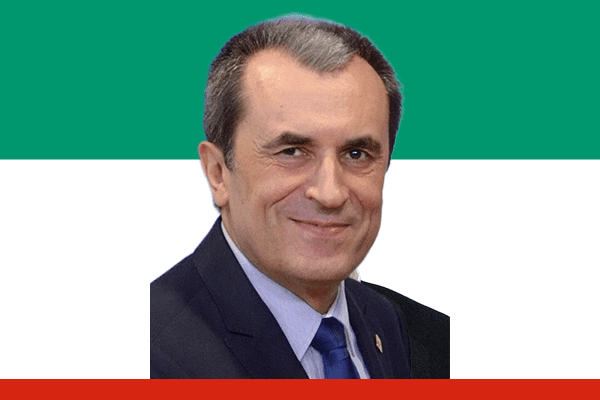
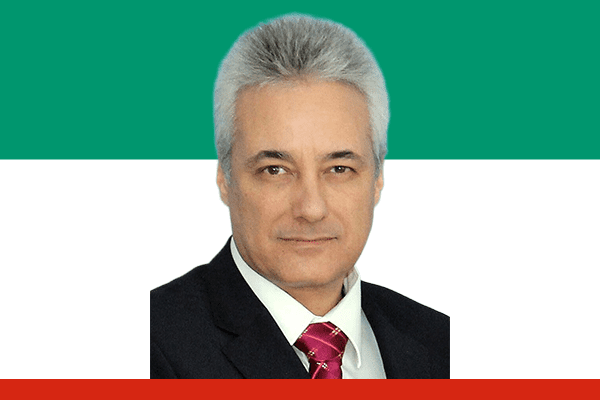
Early Development of the Office
The position of Prime Minister was established after Bulgaria gained autonomy from the Ottoman Empire in 1878. The first Prime Minister was Todor Burmov, who served shortly after the creation of the modern Bulgarian state. During the late nineteenth and early twentieth centuries, Prime Ministers focused on building national institutions, improving education, and modernizing the economy.
Several leaders became important figures in Bulgarian history. Stefan Stambolov was known for strengthening the state and promoting independence from foreign influence. His leadership helped Bulgaria develop stronger political and economic systems.
Prime Ministers During the Communist Era
After World War II, Bulgaria became a communist state closely connected to the Soviet Union. During this period, Prime Ministers worked under the authority of the Communist Party. One of the most influential leaders was Georgi Dimitrov, who helped establish the communist government after the war.
Another important figure was Todor Zhivkov, who dominated Bulgarian politics for decades. Although he mainly served as Communist Party leader, his influence shaped the work of the government and Prime Ministers during the socialist period.
Democratic Transition and Modern Leaders
In 1990, Bulgaria moved toward democracy after the fall of communism. Since then, the country has held free elections and formed democratic governments. Prime Ministers during this period focused on economic reform, privatization, and European integration.
Ivan Kostov introduced major economic reforms and supported Bulgaria’s path toward membership in the European Union and NATO. Later, Simeon Saxe-Coburg-Gotha became notable for returning from exile and serving as Prime Minister despite once being Bulgaria’s monarch.
More recent leaders include Boyko Borisov, who served multiple terms and focused on infrastructure development and European cooperation. Nikolai Denkov also played a role in recent coalition politics and reform efforts.
Conclusion
The history of Bulgaria’s Prime Ministers reflects the country’s journey from monarchy to communism and finally to democracy. Each leader contributed differently to Bulgaria’s political and economic development. Today, the Prime Minister remains central to Bulgaria’s governance, international relations, and future progress within Europe.